Contact
Lindsey Sexton
Social Media Coordinator
Phone: 501-671-2398
Email: arsnaped@uada.edu
University of Arkansas Division of Agriculture
Cooperative Extension Service
2301 S. University Avenue
Little Rock, AR 72204




5 Tips for Healthy Eating on the Run
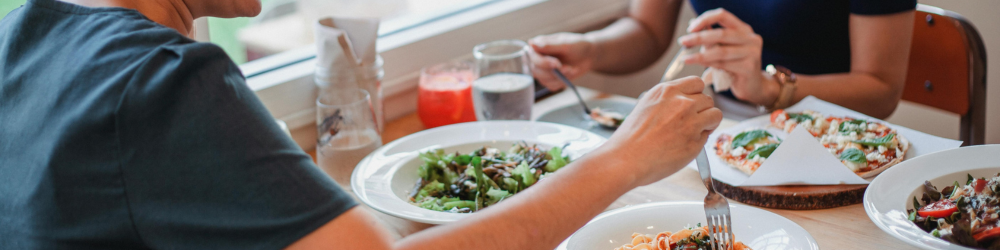
March is National Nutrition Month and while we love cooking and eating at home, sometimes we just can't make it work. Whether it’s car snacks, carry-out, desktop dining, or a sit-down restaurant, there are smart choices everywhere. Here are our Top 5 Tips to help you eat healthy when eating away from home any day of the week.
Plan Ahead
Feel like you're always eating on the go? Tuck portable, nonperishable foods in your purse, tote, briefcase or backpack for an on-the-run meal. Peanut butter and crackers, granola bars, a piece of fresh fruit, trail mix, and single serve packages of whole grain cereal can help you stay on track when you're short on time. For desk-top dining, keep single-serve packages of whole grain crackers, fruit, peanut butter, soup, or tuna around for a quick lunch.
Think about your food choices for the entire day. If you’re planning a special restaurant meal in the evening, have a light breakfast and lunch. Think about where you will eat. Consider what meal options are available and look for places with a wide range of menu items.
Know the Nutrition Lingo
Menu terms that may indicate a healthier item include: baked, braised, broiled, grilled, poached, roasted, and steamed. Look for these terms when deciding what to order. Menu terms that usually mean a food is higher in saturated fat and calories include: batter-fried, pan-fried, buttered, creamed, crispy, breaded. Choose these foods only occasionally and in small portions. When choosing your meal, look for menu items featuring fresh or lightly-prepared vegetables. In place of fries or chips, choose a side salad, fruit or baked potato. Or share a regular order of fries with a friend.
Avoid Eating All You Can
Planning to have dinner at your local buffet? It's often difficult to satisfy our appetites at a buffet but it can be done. Think about it as an opportunity to eat some of the best food rather than the most food. Does your buffet offer fresh fruits and vegetables? Have a small salad at the start of your meal. At the salad bar, pile on the dark leafy greens, carrots, peppers and other fresh vegetables. Avoid mayonnaise-based salads and high-fat toppings. Enjoy fresh fruit as your dessert.
Using a small plate for each course can encourage smaller portions. Limiting your trips to the buffet line can also help keep your portions in check. All-you-can-eat specials, buffets, and unlimited salad bars make following recommended serving sizes challenging. Pass these up if you find it difficult to listen to your hunger cues.
Limit Distractions During Dining
Many of our meals take place on the road, in front of a television, at the office or at school. We find lunch companions in our smart-phones and let work and entertainment distract us from fully focusing on what we are eating and how we are feeling during mealtimes. This often causes us to miss our physical feelings of being satisfied with the amount of food we've eaten - feelings of satiation - which leads to overeating. Try limiting your distractions during mealtimes. Take a tech-break and take in your meal with your senses. How does it look? How does it smell? Are the textures appealing? How does it taste? A lot of us spend less than 20 minutes eating a meal. This month try giving all of your attention to yours.
Choose Family-style Dining Even When Dining Alone
The idea behind family-style dining is that there are no appetizer, entrée, or dessert courses - everything is served at the same time. When eating on the go, this means asking for your entire meal to be brought out at one time. It also means asking your server to hold the bread or chips until the rest of your meal is served and having your small garden salad served alongside your entrée and/or dessert. Ask your waiter for an extra plate and serve yourself from the items you've ordered.
Whether you are by yourself or with someone, family-style dining strengthens relationships and improves eating habits. Enjoying meals this way encourages you to pay attention to your hunger cues. And you get the opportunity to eat as much as you like and save the rest for another meal.