New World Screwworm
What you need to know:
- USDA confirmed the detection of New World screwworm in South Texas on June 3.
- NWS is a parasitic fly that can kill livestock and other animals.
- NWS is not a threat to food safety.
- Ranchers are urged to stay vigilant for signs of NWS infestations.
If you suspect an NWS infestation, report it immediately to the Arkansas Department of Agriculture via the online reporting tool.
The New World screwworm (NWS) is a parasitic fly that can cause devastating and potentially deadly damage to livestock. NWS is known to be present in South America, but was eradicated from the United States in the 1960s. However, in 2023, detections of NWS exploded in Panama and continued to move further north into Mexico. On June 3, 2026, the U.S. Department of Agriculture confirmed the detection of NWS in a bovine near La Pryor. Additional cases have been confirmed in Texas and New Mexico. The current status of NWS in the U.S. is being tracked by the USDA, with updates available online.
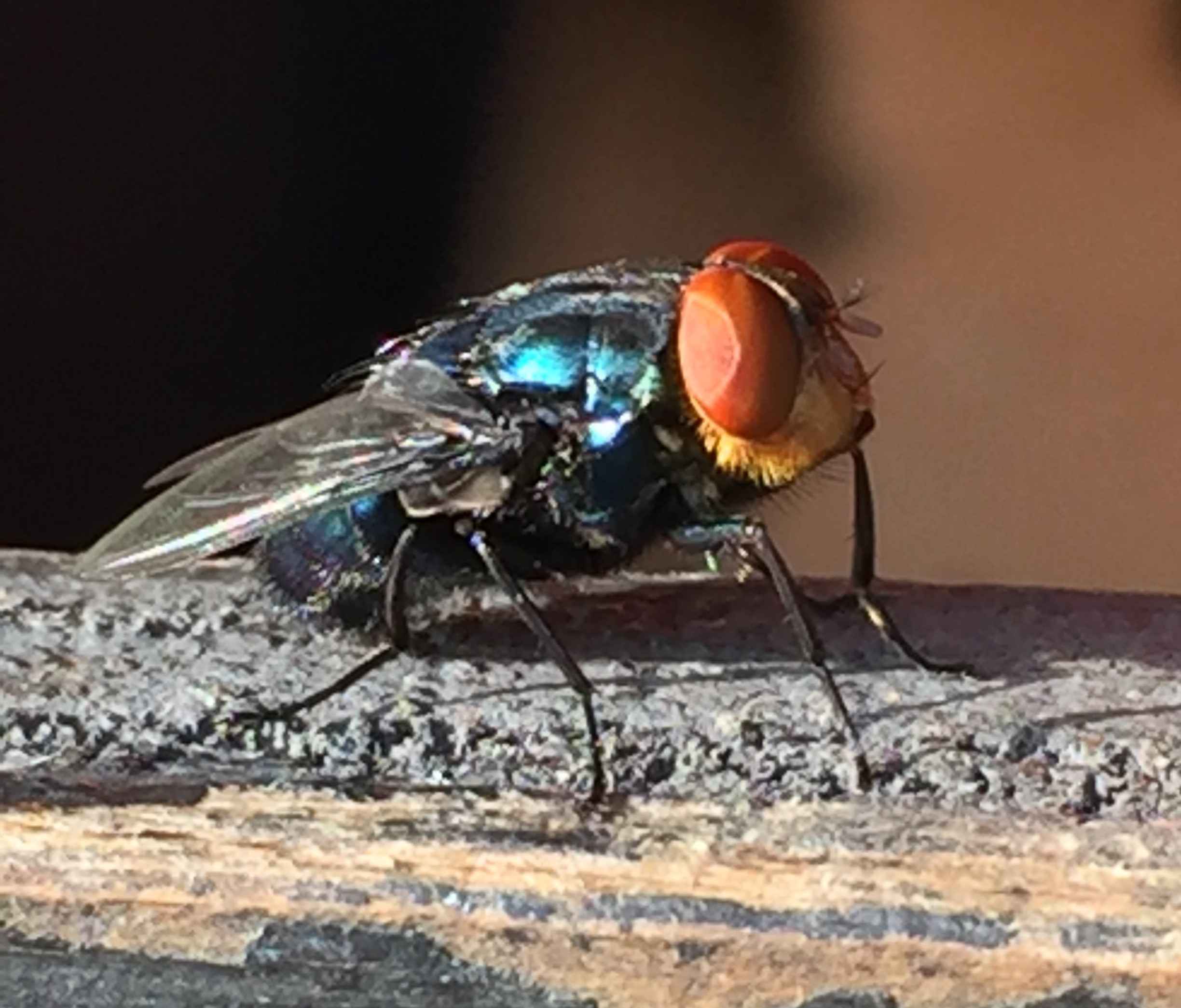
What is New World Screwworm?
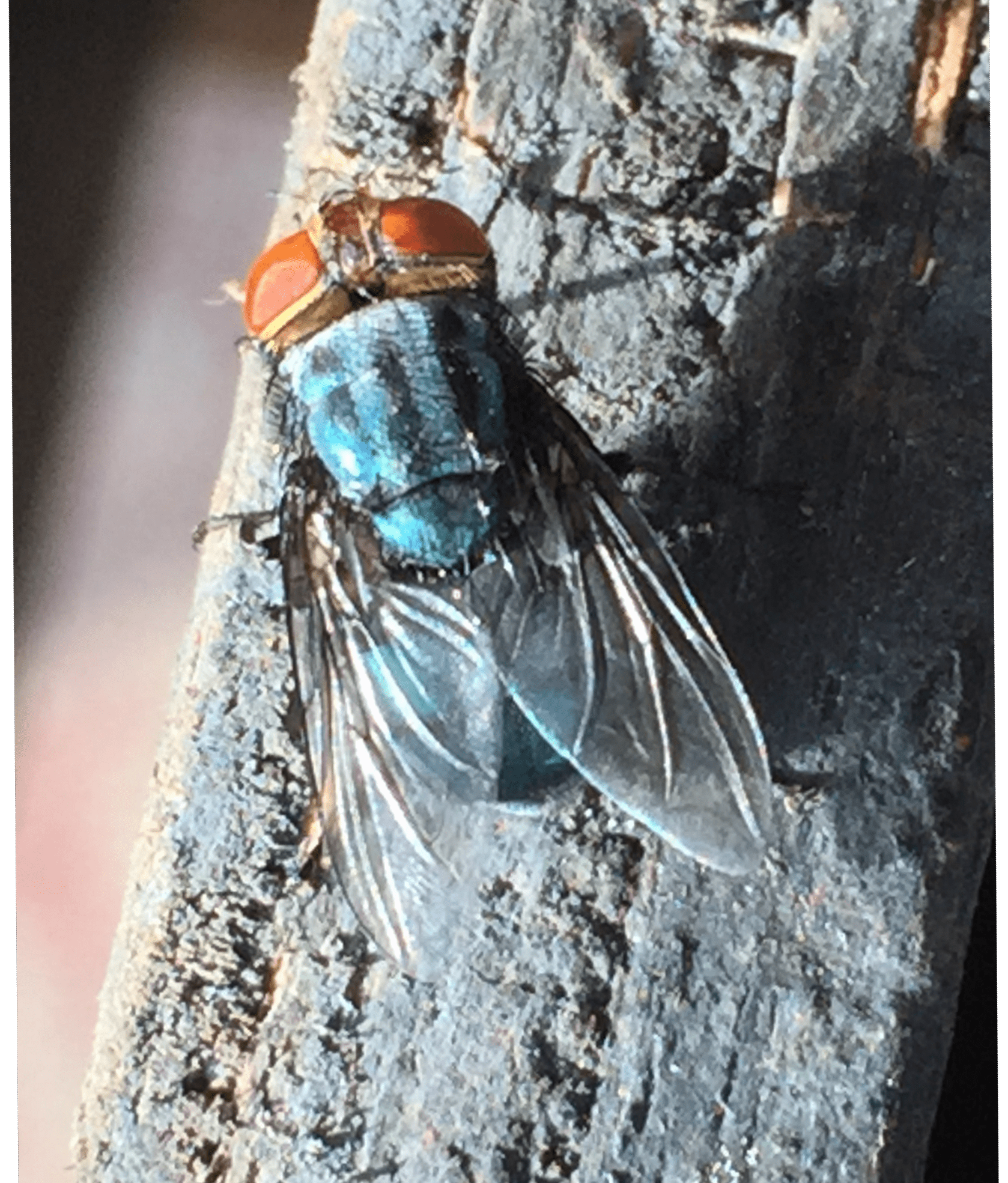
New World screwworm (Cochliomyia hominivorax) is a species of parasitic fly that lays eggs near wounds or body openings. Adults are the size of a common house fly, with a metallic blue body, orange eyes and three stripes running down the thorax, behind the head. The NWS larvae feed on the living tissue of warm-blooded animals, seriously impacting host health and often leading to death if left untreated.
NWS can affect livestock, pets, wildlife, and even humans. However, it is important to note that NWS is an animal health issue, not a food safety concern. NWS spreads only when an NWS fly lays eggs in a wound, not through meat, poultry, or dairy products. All animals that enter the food supply must pass USDA’s Food Safety and Inspection Service (FSIS) inspection, which ensures humane handling of animals and that food safety requirements are met.
The U.S. food supply is safe.
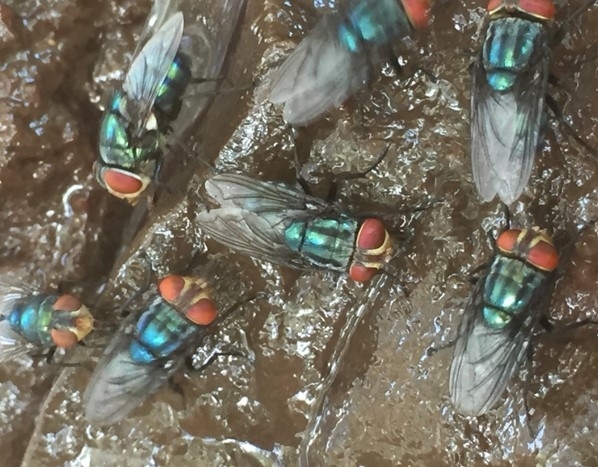
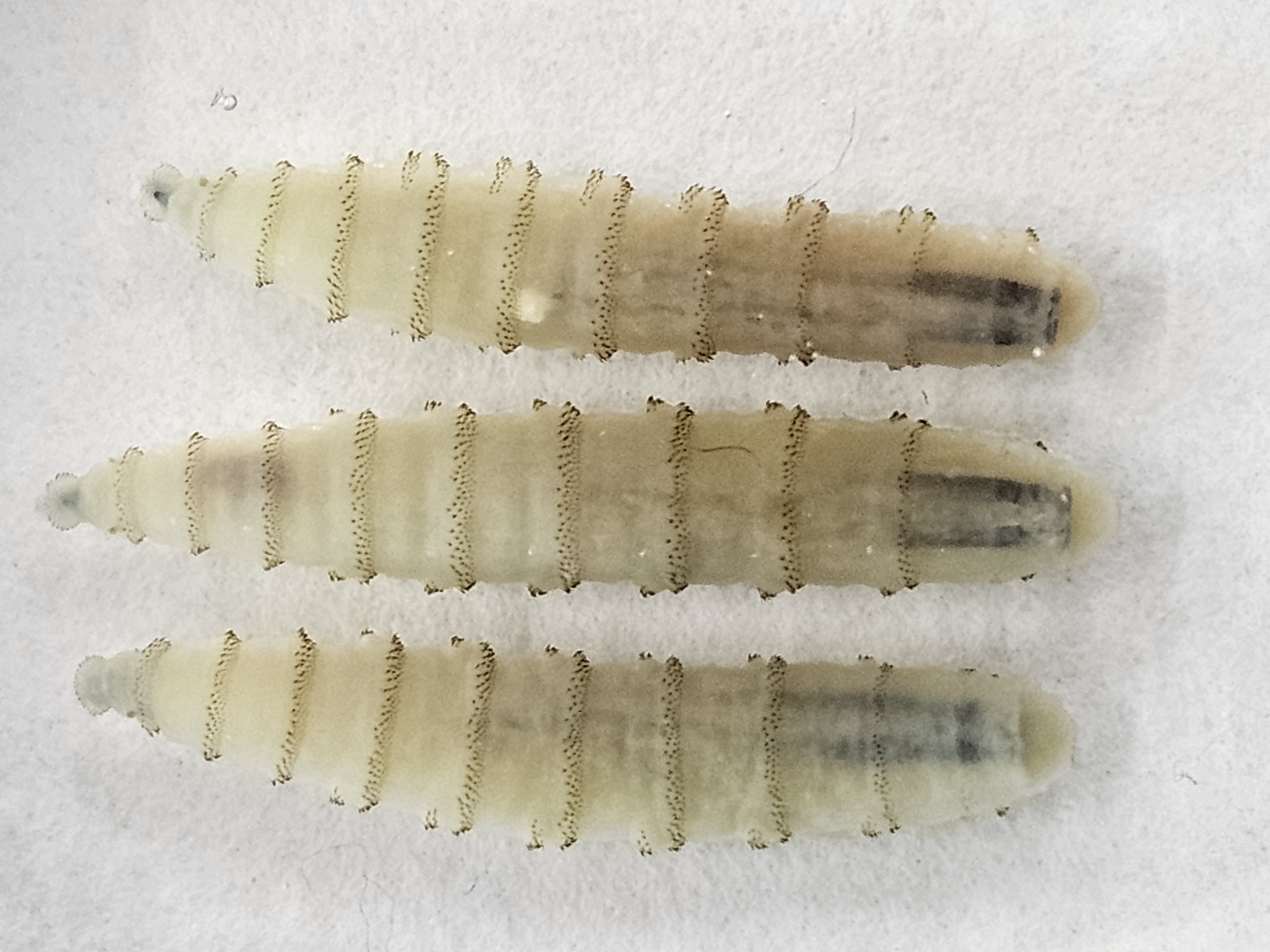
(USDA photo)
Identifying NWS Infestations
Surveillance and vigilance are key when it comes to protecting herds from NWS. Ranchers should monitor livestock for the following signs of NWS infestations:
- Irritated behavior
- Head shaking
- The smell of decay
- Enlarged or draining wounds
- Presence of maggots in wounds
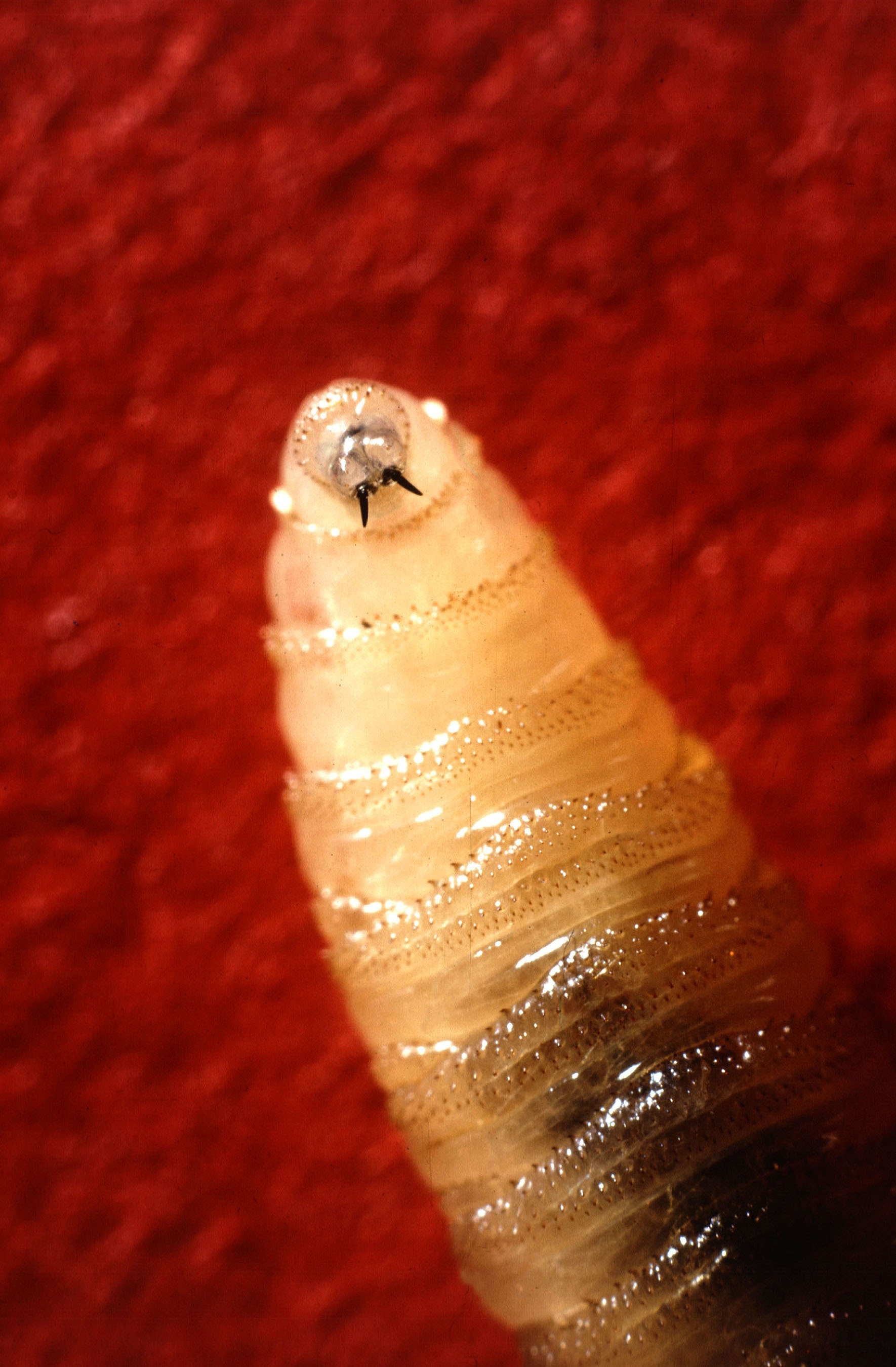
What Can Producers Do?
The USDA has compiled a list of action items livestock producers can implement on their operations to prevent an NWS infestation. These include:
- Constant vigilance: Watch for signs of NWS in pets and livestock.
- Prevent animal injury: Handle livestock carefully and inspect pens and equipment for sharp objects that can cause wounds.
- Treat wounds quickly: Treat the umbilical cords of newborn animals and all wounds immediately with an approved insecticide.
- Parasite prevention: Protect pets and livestock from other wound-causing parasites such as ticks.
To aid in the control of NWS, USDA has prepared a list of pesticides for NWS control.
Official Response in Texas
Per the USDA NWS Response Playbook the USDA and Texas officials are implementing the following strategies:
- Forming a unified Incident Command Team with the Texas Animal Health Commission and deploying response personnel to the area;
- Establishing a 20 km infested zone around each detection and implementing quarantines, movement controls, and surveillance in this area;
- Expediting targeted release of sterile NWS flies by immediately deploying ground release chambers in the area, in addition to the 4 million sterile flies per week already being released aerially in the area;
- Increasing trapping for NWS flies along the border and just outside of the dispersal area;
- Implementing NWS surveillance and management strategies in wildlife; and
- Conducting targeted outreach in the local area.
Resources
- Arkansas Department of Agriculture: New World Screwworm Resources Webpage
- USDA website that serves as a hub for all NWS resources: screwworm.gov
- FDA Resource: Animal Drugs for New World Screwworm
- Official USDA strategies and action items: USDA NWS Playbook
- Pesticide options for control of NWS: USDA Pesticides for NWS
- National Cattlemen’s Beef Assoc. Resource including FAQs and external resources.