After the Harvest Conference - Nov. 4-5, 2026
Registration closes October 28th!
 Register Here!
After the Harvest is a two-day conference focused on what happens once a food product is harvested or produced, and what it takes to move that product safely and successfully into the Arkansas marketplace.
Join growers and producers, food entrepreneurs and processors, farmers market vendors and managers, buyers, food system organizations, Extension personnel, and other partners from across Arkansas to explore the practical decisions, infrastructure, and relationships involved in getting local food from producer to market.
The 2026 conference is organized around three interconnected areas of the local food supply chain:
- Sell Local Food – Explore market opportunities and learn how to prepare products and businesses for different sales channels, from farmers markets and direct-to-consumer sales to wholesale and institutional markets.
- Move Local Food – Dig into the systems and infrastructure that help products move efficiently after harvest, including postharvest handling, aggregation, equipment, storage, processing, inventory, and distribution.
- Connect Local Food – Build relationships across Arkansas's food system and learn how producers, buyers, organizations, agencies, and communities can work together to strengthen local and regional markets.
Throughout the conference, food safety and regulatory considerations will be integrated into conversations about selling, handling, processing, and moving food.
This year's program will include practical breakout sessions, workshops, panel discussions, and three in-depth bootcamps focused on Farmers Markets, Arkansas Food Freedom, and Food Processing and Manufacturing. Attendees will also have dedicated opportunities to connect with resource providers and others working across Arkansas's food supply chain.
Whether you are deciding where to sell your products, preparing to enter a new market, improving your postharvest operation, navigating food safety or regulatory requirements, connecting with buyers, or helping strengthen your community's food system, After the Harvest is designed to help you identify practical next steps and the people and resources that can help you take them. Registration closes October 28, register for the conference today!
View Full Agenda and Session Descriptions Here
Need a place to stay during the conference?
On-site lodging is available at the C.A. Vines 4-H Center for conference attendees! Rooms can be reserved here.
Prefer a hotel? The closest option is Aloft Little Rock West, located just a short drive from the conference venue.
Farmers & Ranchers: Southern SARE Sponsorships May Help Cover Your Conference Costs!
Eligible farmers, ranchers, and producers may apply to Southern SARE for a Farmer/Rancher Education Sponsorship that can reimburse eligible conference registration, travel, and lodging expenses for educational events such as After the Harvest. Sponsorships are reimbursement-based and participants must apply for and receive approval before the event. Applicants should be primarily engaged in farming or ranching and generally have documented annual farm income of at least $1,000. Applications requesting $2,999 or less should be submitted at least 30 days before the event.
For more information and/or to apply, please follow this link: https://southern.sare.org/other-funding/farmer-rancher-education-sponsorship/
Featured Keynote Speaker
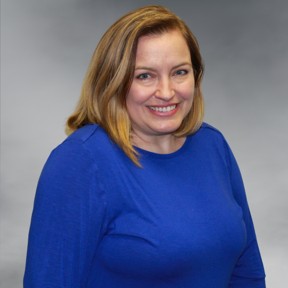 |
Jenny Doty serves as a Food Business Resource Navigator with Kansas State University Extension’s Community Food Systems Team. In this role, she supports the Community Food Systems team and the Rural Grocery Initiative, providing technical assistance to food-based businesses and rural grocery stores across Kansas and throughout the United States. Jenny’s food business work focuses on providing one-on-one technical assistance to small, midsized, and diverse food-based businesses. She helps producers and entrepreneurs navigate the steps needed to enter and grow in the marketplace, with an emphasis on connecting them to the right markets at the right time. Through the Rural Grocery Initiative, she also works directly with rural grocery stores to identify opportunities, strengthen their businesses, and expand access to locally produced foods. |
2026 Speakers
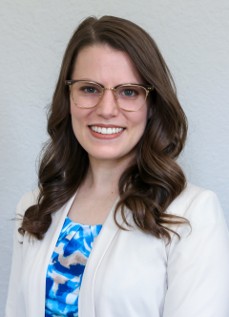
Jennifer C. Acuff is an associate professor of food microbiology and safety at the University of Arkansas Division of Agriculture. She joined the Department of Food Science in 2020 and has research, teaching, and cooperative extension appointments. Prior to her current appointment, Acuff received a B.S. in Biology at Abilene Christian University in Abilene, TX, after which she attended Kansas State University (Manhattan, KS) for a M.S. in Food Science and a Ph.D. at Virginia Tech in Food Science (emphasis in food microbiology and safety). Acuff’s current role is to direct the Food Safety, Microbiology, And Research Technology Lab, which focuses largely on low-moisture food safety with projects focused on understanding persistence of foodborne pathogens in a low-moisture food environment and validating thermal and non-thermal interventions used for low-moisture food treatments. Acuff also teaches courses in food microbiology and food biosecurity, as well as serves as an extension specialist in Arkansas for food processors. Many of her research projects include a collaborative or outreach component in an effort to integrate the mission of a land-grant university to bring applicable research to the food industry.

Dr. John Anderson serves as Senior Associate Vice President for Agriculture – Extension and Director of the Cooperative Extension Service at the University of Arkansas Division of Agriculture. An agricultural economist, Dr. Anderson has extensive experience in agricultural research, education, and Extension leadership, with expertise in agricultural markets, farm policy, and risk management.
Throughout his career, he has worked to connect research with the practical needs of farmers, agricultural businesses, and communities. His leadership focuses on strengthening research-based education, supporting Arkansas' agriculture, and expanding the impact of Extension programs across the state.
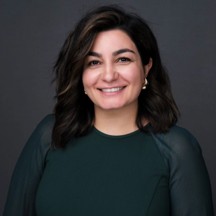
Dr. Araghi is an Extension Assistant Professor and Nutrition and Food Safety Specialist with the University of Arkansas Cooperative Extension Service. She holds a Ph.D. in Food Science from the University of Georgia. Her work focuses on translating food science and nutrition research into practical education for individuals, families, and communities across Arkansas. Through workshops, professional training, and educational resources, she helps Arkansans build skills in food safety, home food preservation, and healthy eating. Her session, “Food Preservation 101,” will introduce practical approaches to preserving food safely at home.
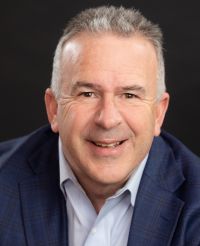
Dr. Craig Bacon serves as Head of the Department of Food Science at the University of Arkansas Division of Agriculture. He brings more than 35 years of food industry experience, including senior leadership roles in research, product development, food safety, and innovation at Tyson Foods and Simmons Foods.
Throughout his career, Dr. Bacon has led large multidisciplinary teams and major research and development initiatives focused on improving food products, processes, and quality. In his current role, he is focused on strengthening collaboration between research, education, and industry, advancing food science innovation, and preparing the next generation of food science professionals.

Sarah Bakker is the Local Food Program Lead with the University of Arkansas Division of Agriculture’s Local, Regional, and Safe Foods Team and a graduate student at the Clinton School of Public Service. Before transitioning into Extension, she spent over a decade working on farms, including managing the 3-acre organic market garden at Heifer Ranch. She now works with farmers, food businesses, buyers, and community organizations to strengthen Arkansas’s local food system. Through the statewide Resilient Food Systems Infrastructure (RFSI) program, her work focuses on postharvest infrastructure, food safety, market access, and strengthening local and regional food supply chains.
Matt Bertucci is an associate professor of sustainable fruit and vegetable production. His research focuses on weed management in conventional and organic systems and on scalable soil health practices. Most recently, he has focused on compost as a method to capture organic refuse on farms to generate a useful soil amendment.
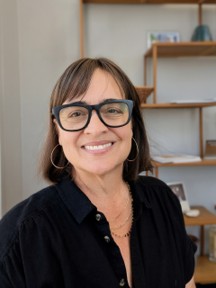
For more than 25 years, Sylvia Blain has dedicated her career to strengthening local food systems and addressing food insecurity across Arkansas. As CEO of the Arkansas Hunger Relief Alliance, Sylvia brings together leaders from nonprofits, government, business, and faith communities to build collaborative solutions to end hunger in the state.
Her previous leadership of Potluck Food Rescue, the Arkansas Local Foods Initiative, and Dunbar Garden helped expand access to fresh, local food through farmers markets, community gardens, and food recovery efforts—initiatives that have nourished thousands of families while empowering local growers and volunteers. Under her direction, Potluck Food Rescue increased its impact by 500%, serving hunger relief agencies across six counties.
Beyond her professional roles, Sylvia is a passionate advocate for equitable and resilient food systems. She works to elevate community voices, support policy improvements that center vulnerable Arkansans, and deepen connections between people, places, and the foods that sustain them. She serves on several boards and committees dedicated to advancing food access and justice statewide.

Signpost Economics provides rural and small towns with practical and clear action plans that build on a community’s existing assets and unique values. While capable of supporting all aspects of a community or economic development project, from planning to resourcing to implementation, Signpost Economics’ expertise lies in quantifying the economic value of a community’s projects, events and programs.
Prior to starting Signpost Economics, Dave directed Heartland Forward’s research team as its Chief Research Officer. Responsible for originating timely, relevant and evidence-based information, Heartland Forward’s research team informed policy and practice across its three focus areas: talent pipeline, health and wellness and regional competitiveness. His team also supported programming, communications and fundraising through data analytics and visualizations.
Dave joined Heartland Forward after more than a dozen years at Oklahoma State University, serving as a professor and Community and Economic Development Specialist in the Department of Agricultural Economics. In these roles, he conducted applied research and facilitated strategic planning leading to pragmatic solutions and action plans for rural communities. Examples of his work include market research, sales tax analysis and small business development plans, and his published, peer-reviewed research portfolio includes articles on the economic impacts of internet access, incentive programs, and local food production.
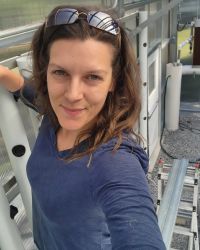
Danielle Dozier earned her B.S.A. in Horticulture, Landscape, and Turf Sciences from
the University of Arkansas in Fayetteville in 2015. As a student, she discovered the benefits of hydroponic food production, and that interest became
the foundation of her career. From 2017 to 2022, her small business, GSS Group LLC,
won more than $850,000 in grants, including USDA SBIR Phase I and II awards, to research
and develop HydroFresh™, a hydroponic tower system that puts the unused space along greenhouse sidewalls
to work for small and mid-size farms.
Her work in hydroponics led her into farm food safety, which soon became a second
focus. Since 2018, Dozier has written farm food safety plans, researched ways to simplify
GAP compliance for growers, and partnered with the University of Arkansas Division
of Agriculture Cooperative Extension Service to lead grower trainings.
Today she also connects Arkansas farmers directly with their community. In 2025, she
opened Farm Stop Arkansas, a farm stand offering local meat, produce, baked goods,
and other Arkansas-made products, and in 2026 she opened a second location, Farm Stop
Johnson, in northeast Fayetteville.

Emily English is a Senior Program Officer with the Walton Family Foundation. Emily serves as Director of the Northwest Arkansas Food Systems, a philanthropic project with a mission to get more local food on local tables in Northwest Arkansas. Emily has a background in fruit and vegetable farming and academic degrees in sustainability, public service, and public health. Prior to joining the Walton Philanthropy team, she was an Assistant Professor in the Office of Community Health and Research at the University of Arkansas for Medical Sciences where she led research and programming aimed at increasing access to healthy foods, reducing food insecurity, and creating a thriving local food system.

Dr. Sun Ferreira is an Assistant Professor of Food Science and Processing Engineering with the University of Arkansas System Division of Agriculture. His Extension program as Process Authority focuses on supporting food entrepreneurs, farmers, and small businesses through food product development, food safety, processing, commercialization, and regulatory guidance. He is passionate about strengthening local food systems and improving the sustainability and resilience of food production and distribution networks, while ensuring that food safety remains a top priority.
In addition to his Extension activities, Dr. Ferreira conducts research in food processing and bioprocessing, with a focus on developing innovative and sustainable solutions. He also teaches undergraduate and graduate courses in food engineering and biochemistry and mentors future food scientists and industry professionals.
At the After the Harvest Conference, Dr. Ferreira will speak at the Food Freedom Boot Camp and Food Processing Boot Camp, where he will share practical information on food business development, processing opportunities, regulatory requirements, and strategies to help entrepreneurs successfully bring safe, high-quality food products to market.
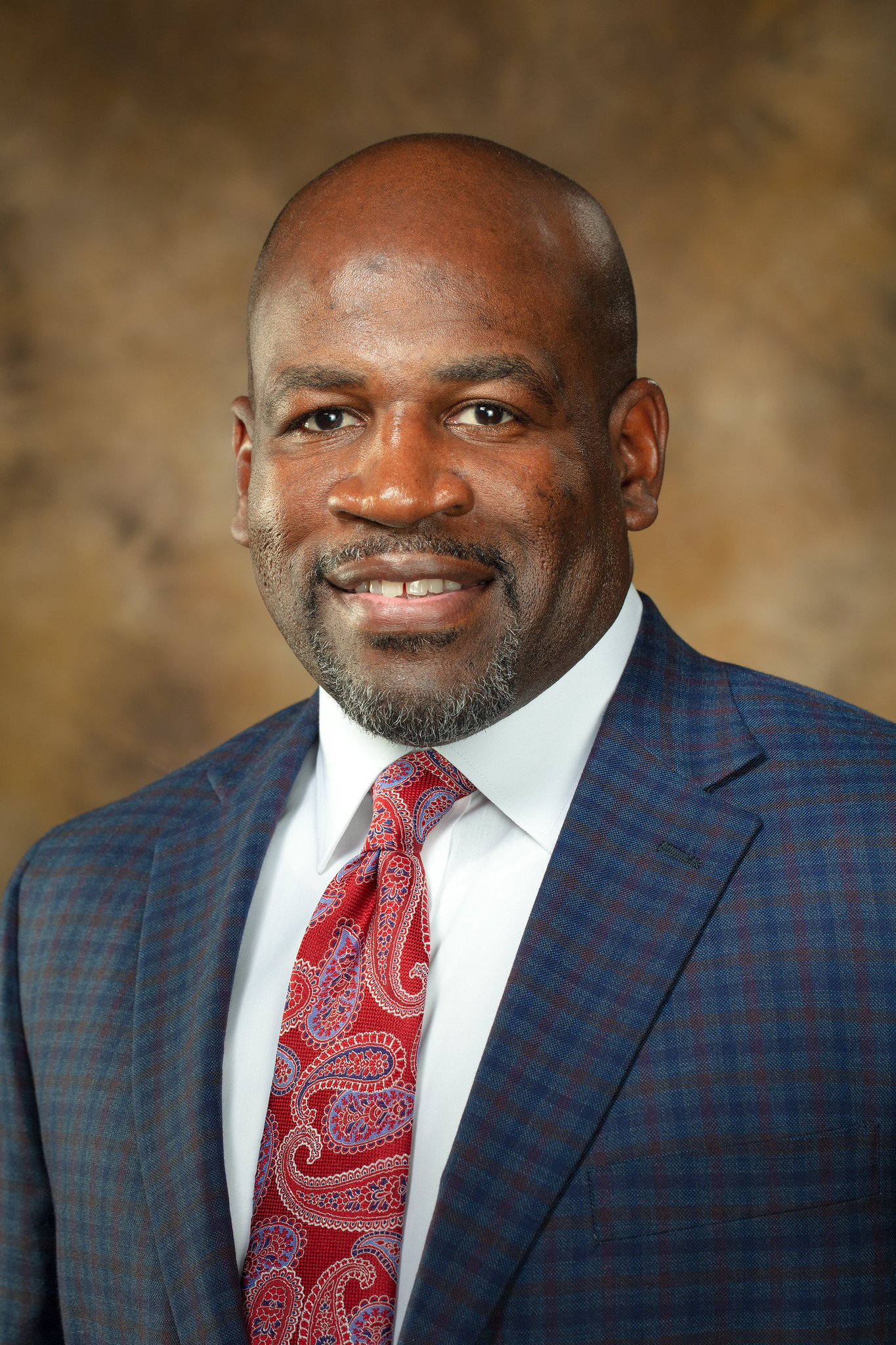
Dr. Deacue Fields serves as Vice President for Agriculture and Chancellor of the University of Arkansas Division of Agriculture, overseeing statewide agricultural research and Extension programs through the Arkansas Agricultural Experiment Station and Cooperative Extension Service.
Before assuming this role in 2022, Dr. Fields served as Dean of the Dale Bumpers College of Agricultural, Food and Life Sciences at the University of Arkansas. His previous experience includes serving as Professor and Chair of Agricultural Economics and Rural Sociology at Auburn University and Director of Small Farm Outreach at Florida A&M University.
An agricultural economist by training, Dr. Fields holds a bachelor's degree from Southern University, a master's degree from the University of Missouri, and a doctorate from Louisiana State University.

Dr. Shane Gadberry serves as Assistant Vice President for Agriculture and Natural Resources with the University of Arkansas Division of Agriculture Cooperative Extension Service. In this role, he provides statewide leadership for Extension programs in agriculture and natural resources, working with academic departments, county Extension personnel, and industry partners to deliver research-based education and technical assistance.
His work supports collaboration across agricultural disciplines, strengthens connections with producers and industry stakeholders, and helps ensure Extension programs address the evolving needs of Arkansas agriculture.

Dr. Kristen Gibson is a Professor in the Department of Food Science and Director of the Center for Food Safety at the University of Arkansas System Division of Agriculture. She received her Bachelor of Science in Microbiology and Molecular Biology from the University of Central Florida and her Ph.D. from the Johns Hopkins Bloomberg School of Public in Environmental Health Sciences. Kristen’s research interests are focused on understanding the fate and transport of human pathogens within the environment including fresh produce and poultry production systems, optimization of methods for the detection of human pathogens in food and water and on environmental surfaces, and food safety at the retail and consumer level.
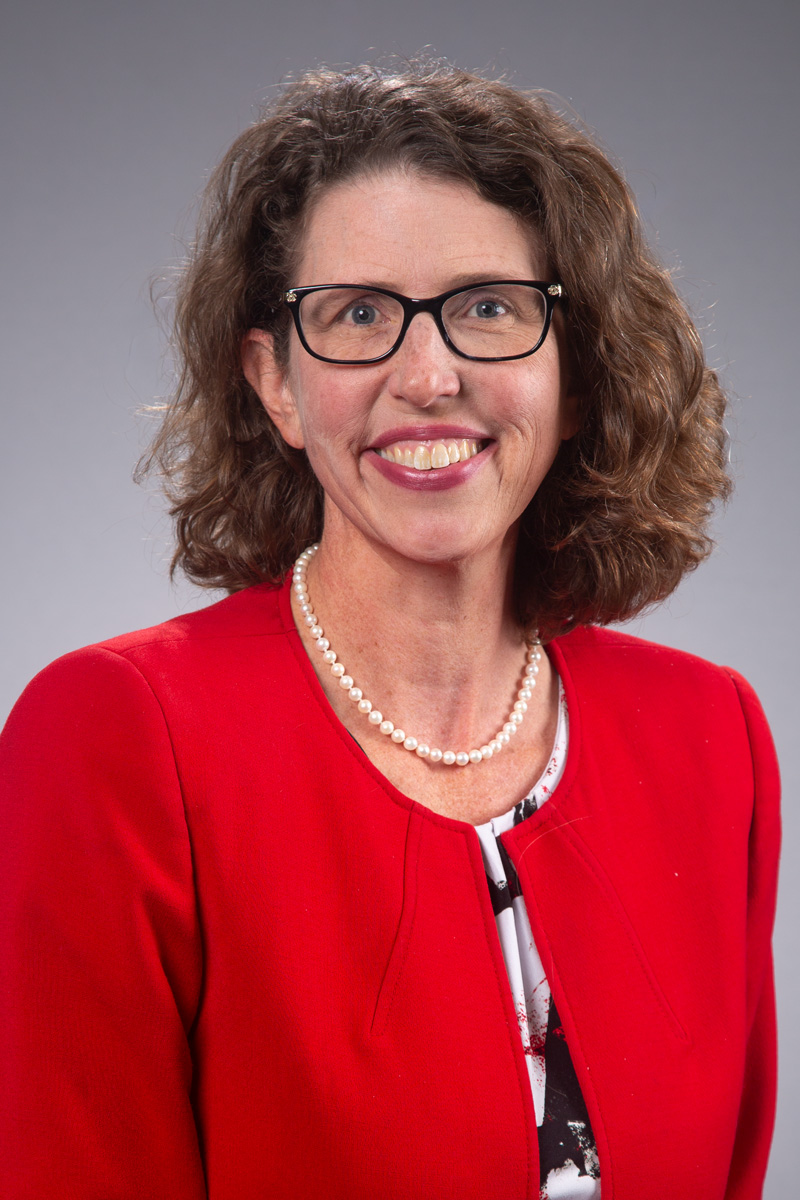
Dr. Hunter Goodman believes strongly in the power of people
within the community along with associations, organizations, and institutions to create
vital, vibrant places to live and thrive. Dr. Goodman focuses building capacity through
an asset-based
community development lens, particularly in the areas of
nonprofit, workforce, and community leadership for local
development and resiliency in a rural context.
Dr. Goodman is Executive Fellow for Food Insecurity and Health
with the University of Arkansas Division of Agriculture (UADA),
Assistant Professor for Community, Workforce and Economic
Development for the UADA Cooperative Extension Service and
affiliated faculty within the Agricultural Economics and
Agribusiness Department in the University of Arkansas Bumpers
College.
She is a steward of the Asset-Based Community Development Institute at DePaul University
and a regional trustee for the International Association of Community Development
(IACD)
representing North America and the Caribbean. Dr. Goodman is also proud to teach community
development professionals through the University of Central Arkansas’ Community
Development Institute.
Dr. Goodman earned her doctoral degree in leadership studies from the University of
Central
Arkansas, Master of Education degree from the University of Southern Mississippi,
and a
Bachelor of Arts from Rhodes College. Dr. Goodman is a proud alumna of the Presidential
Leadership Scholars and Bonner Scholars programs. Hunter, Mark, Lowell, and Patrick
Goodman are proud to call Arkansas home.

Nena Hammer is the Director of Operations at Spring Creek Food Hub. From developing several community gardens to managing a diversified livestock and vegetable farm and now leading the food hub, she has over a decade of experience and leadership in Arkansas’s local food systems. As an Arkansas native, food, community, and nature are deeply personal to Nena. Some of her fondest memories are of picking peas in her family garden as a young child.
Now, serving as the Director of Spring Creek Food Hub, she aims to share the experience and knowledge gained over her career with others to promote the growth of strong local foods systems in Arkansas and our neighboring states. Based in Springdale, AR, Spring Creek Food Hub connects the dots from farm to community, providing wholesale readiness training and support for farmers and local procurement education and support for institutional buyers, with the goal of re-regionalizing our food system and supporting those farmers who workday in and day out to feed their communities.
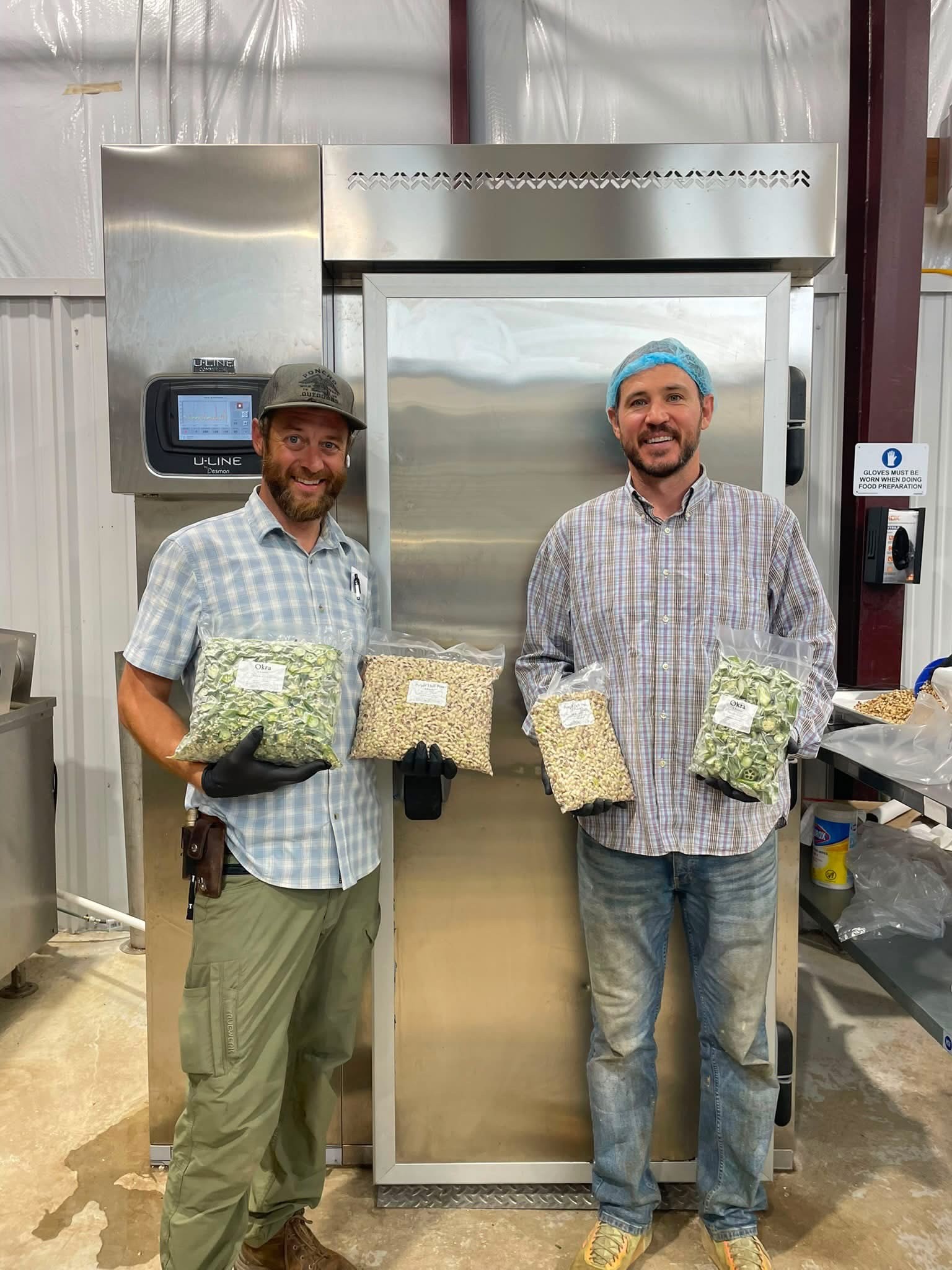
A fifth-generation farmer and Farm and Food Hub Director for Healthy Flavors in Conway, Arkansas, working alongside Dan Spatz, Patrick Collins, and a dedicated team to grow, source, process, and distribute fresh, healthy food to schools, restaurants, and farmers markets across Arkansas.

Alex Hendrickson is the Community Food Systems Programs Manager at the Arkansas Hunger Relief Alliance. Alex started work with the Alliance in 2022 and since then he facilitated nutrition education programs, gardened at Heifer Ranch, hosted volunteer gleaning events, and developed a passion for building community-based partnerships. Alex works to identify gaps in service, advocate and expand market opportunities for local producers, and increase statewide anti-hunger collaboration. In his free time, Alex enjoys being outside, cooking, and spending time with his family.

Lizzy Herrera is the Social Media Manager for the University of Arkansas System Division of Agriculture Cooperative Extension Service. Before moving into communications, she spent seven years in Extension's horticulture department, where she also supported sustainable agriculture efforts through SARE. That background in research-based programming shapes her approach to communications. She manages Extension's social media presence, trains agents and staff on effective and compliant social media use and helps turn agricultural science into content that connects with Arkansans.
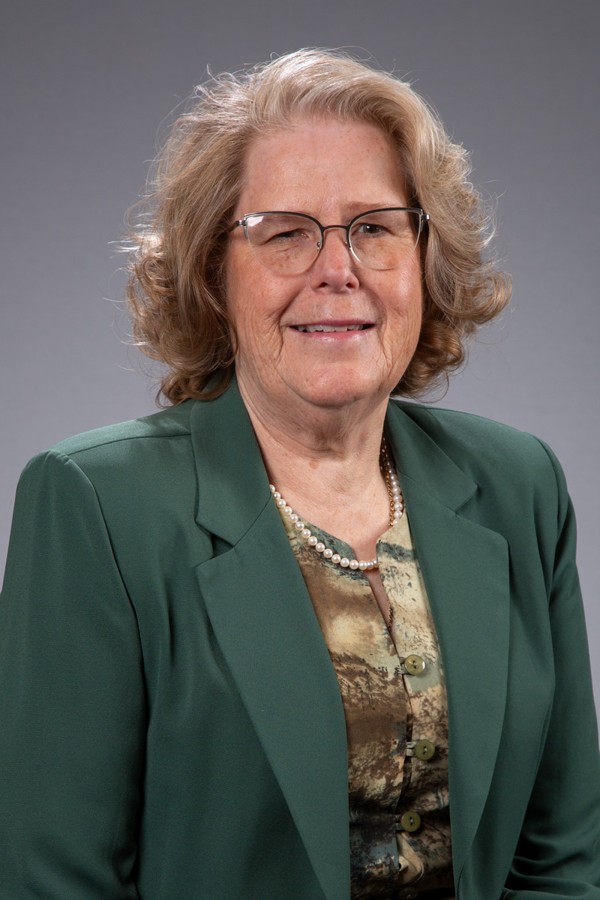
Theresa (Terrie) S. James serves as County Extension Agent and Staff Chair, a leadership role she has held since January 2003. As the lead Extension administrator at the county level, in Hempstead County, she manages county and state Extension budgets, oversees daily operations, and supervises a multidisciplinary team. She has successfully expanded local funding through strong collaboration with the Quorum Court and County Judge.
Terrie holds a Master of Arts in Gerontology from Lindenwood University (1994) and a Bachelor of Science from Missouri Western State University (1978). Certified as a Serv Safe Instructor/Proctor, BEST CARE Trainer, and Food Preservation District and State Trainer, she regularly delivers specialized education across her community and region.

Stefanie Jaeger is the Director of Sales and Customer Success at Local Food Marketplace, which has provided sales and distribution software for farms, food hubs, and markets since 2009. An experienced sales and customer success leader, Stefanie has worked to strengthen local food systems for more than 15 years, with nearly 9 years in farmer/hub SaaS and over 7 years in food hub and CSA operations, including managing a 300+ member CSA at Bayfield Foods Cooperative. She has helped farms, hubs, and markets across the US and Canada evaluate and implement technical solutions to solve their complex problems. She lives in Northern Wisconsin on Lake Superior.
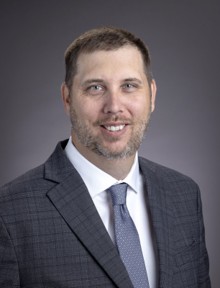
Mr. Jackson began his career with the Arkansas Department of Health in 2006 as an Environmental Health Specialist. He later served as the Northeast Region Retail Food Program Specialist and as the statewide standardization and quality assurance officer before being named the Retail Food Program Section Chief in December 2024.
In addition to his day-to-day responsibilities at the Arkansas Department of Health, Mr. Jackson frequently participates in food safety outreach at both the state and national levels. In 2023, he collaborated with the University of Arkansas Extension Service and the National Agricultural Law Center to obtain a USDA Specialty Block Grant to develop and deliver statewide, just-in-time training for home-based food producers on the legal and food safety concerns associated with home-based food businesses. He is an active participant in the Conference for Food Protection, serving as a voting member on the Food Safety Management System Committee, the Food Protection Manager Certification Committee, and Council III. Additionally, Mr. Jackson collaborated with the Association of Food and Drug Officials (AFDO) to create and deliver an industry-focused training aimed at increasing Active Managerial Control of foodborne illness risk factors under the Retail Food Safety Regulatory Association Collaborative. He also serves as a member of the AFDO Retail Food Training Cadre for courses in FD215, FD218, and FD220.
Mr. Jackson earned a B.S.E. with an emphasis in Biology Education from Arkansas State University in 2005 and obtained a Post-Baccalaureate Certificate in Public Health from the University of Arkansas for Medical Sciences – Fay W. Boozman College of Public Health in 2013.
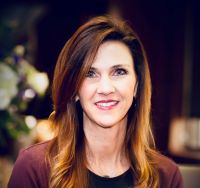
Tonya Johnson is a highly accomplished Registered Dietitian with a diverse background in clinical nutrition, research, higher education, and public health leadership. She holds a Master’s in Food and Nutrition from the University of Central Arkansas and has pursued doctoral studies in Organizational Leadership. Tonya also earned a Certificate of Culinary Arts from the Culinary Institute of America, blending her expertise in nutrition with the art of cooking.
Throughout her career, Tonya has led innovative programs that promote wellness and food security, including the development of Culinary Medicine initiatives and the establishment of campus farmers markets and seven food pantries across Arkansas. During the COVID-19 crisis, she organized statewide doorstep delivery services for those in quarantine. Tonya has collaborated with legislators to support maternal and infant health through the creation of Arkansas’s first Human Donor Milk Bank
Recognized nationally for her impactful work she has been featured in publications and media for her contributions in nutrition and wellness. She is a passionate advocate for using food as medicine and improving access to nutritious foods for all.

Erin Killeen is Director of Operations for the Arkansas Food Innovation Center at Market Center of the Ozarks (AFIC@MCO), where she leads the development of programs, partnerships, and operational systems that enable farmers and food entrepreneurs to bring products to market. Her work focuses on strengthening regional food systems by connecting local producers, food businesses, institutions, and markets.
Erin brings nearly two decades of experience spanning sustainable agriculture, climate resilience, water stewardship, nature, Scope 3 emissions, and supply chain sustainability. Prior to joining AFIC@MCO, she served as Director of Science & Impact at The Sustainability Consortium, where she worked across retailers, brands, suppliers, growers, researchers, and NGOs to translate science, data, and stakeholder collaboration into practical strategies and measurable outcomes.
She is passionate about creating pathways that help local food reach local tables and believes strong food systems are built through partnerships, trust, and a shared commitment to supporting farmers, entrepreneurs, and communities. Her professional interests include local and regional food systems, sustainable supply chains, food entrepreneurship, market development, and building partnerships that create economic opportunities. She believes lasting change happens when diverse stakeholders come together around shared goals and practical solutions.

Kent Krause and his wife, Michelle, are the owners and operators of Krause House Farms and the Ferndale Market, both located in Ferndale, Arkansas. Krause House Farms raises seasonal produce like heirloom tomatoes, herbs, lettuce mix and cut flowers. Ferndale Market is the retail arm of Krause House Farms and offers fresh produce, meats, dairy, baked goods and prepared meals focusing on locally raised and manufactured products from around the state
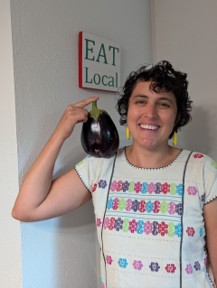
Sandra Leyva is the owner and manager of Conway Locally Grown, a year-round online farmers market that connects local farmers to customers on a weekly basis. Sandra has been involved with the local food system in Central AR for over 15 years and is passionate about supporting and promoting local food. Aside from the farmers market, she has been involved with initiatives involving school and community gardens, food recovery programs, USDA Local Food and Farmers Market Promotion Grants, and many other efforts to further develop awareness, availability and access to local food.

Kayla Lindsey has served as Market Manager of the Fayetteville Farmers Market since 2020. She and her partner, Cody, own Rocky Comfort Natural Farm, a Certified Organic diversified vegetable market garden that has been a member of the market for more than a decade. Raised in central Arkansas, Kayla studied business at the University of Central Arkansas before pursuing farming. She is passionate about organic agriculture, local food, and affordability programs that make locally grown food more accessible to everyone.
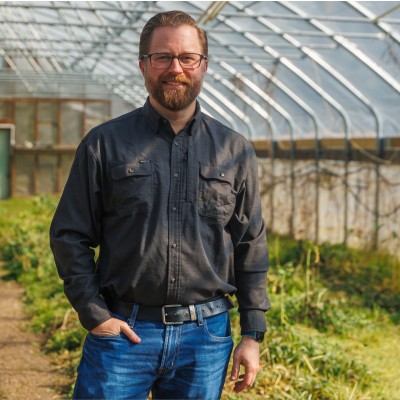
With more than six years of experience at Arkansas Farm Bureau, John McMinn has led statewide initiatives focused on agricultural promotion, local food systems, and industry collaboration. His work includes developing the Arkansas Farm Trail, organizing the Annual Convention Farmers Market, and helping lead efforts to revive a statewide local foods conference.
John has extensive experience in strategic planning, stakeholder engagement, policy development, and partnership building, working with government agencies, universities, nonprofit organizations, and agricultural industry partners. He also represents Arkansas Farm Bureau through public speaking, media interviews, and the organization's weekly AgCast podcast.
His work focuses on bringing people and organizations together to develop practical solutions, strengthen partnerships, and advance Arkansas agriculture.
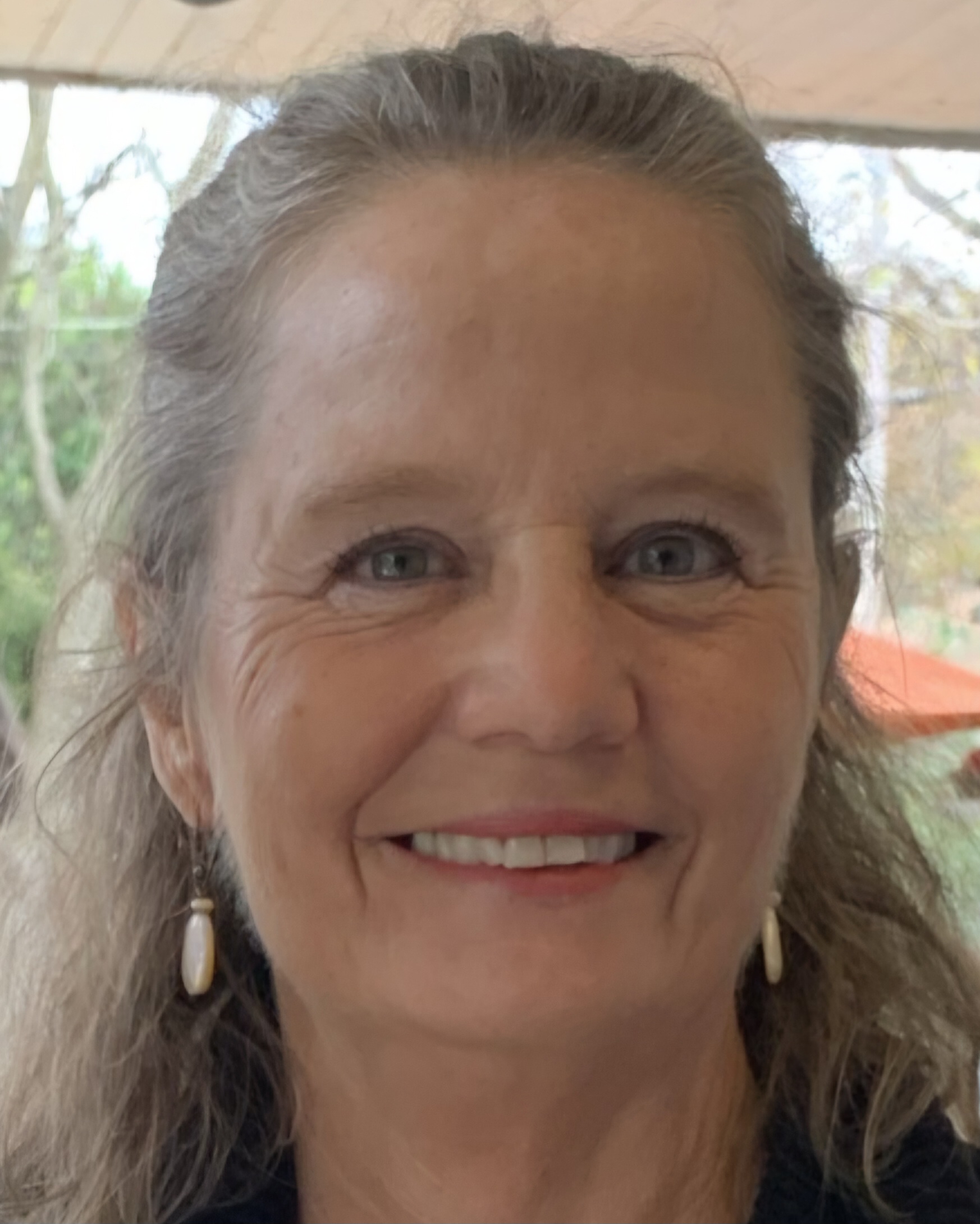
Jaymie Pedigo is a seasoned non-profit executive specializing in community partnerships and development. During 40 years in Texas, Pedigo held leadership roles across several organizations, including a humane society, a school-business partnership program, and a Houston-area collaboration uniting business, government, education, and community stakeholders. Before retiring in 2023, she served as the Executive Director of the Heritage Guild of Collin County, where she oversaw a two-acre, 10-building historic park.
During her 9-year tenure, she focused on financial stability, governance, compliance, and the preservation of 10 buildings, including the oldest house in McKinney.
A premier component of the organization was the hosting and management of the McKinney Farmers Market at Chestnut Square – Farmland Trust’s #1 Farmers Market in Texas for five years running. Together with a part time market manager, the market grew from a 38 week season to year round, and from 25-40 vendors to 75-90. The market thrived despite a construction project that closed off the most convenient access, and through a year of Covid restrictions. Booth rental fee income (to the organization) grew by over 50% in her tenure.
In January 2015, the organization had approximately $35,000 in the bank, which covered about six weeks of expenses. By her retirement in December 2023, the annual budget had increased to over $400,000, with a full year of reserve funds secured in the bank.
Since relocating to Little Rock in 2024, she has continued work in development and community engagement, serving one year as a development assistant for Breakthrough T1D to organize two community events. Currently, she serves as a Certified Tour Ambassador for the Little Rock Convention and Visitors Bureau, and is actively involved volunteering:
- West Little Rock Farmers Market: Founding (and current) Committee Member, serving as Sponsorship Chair
- Arkansas Local Food Network: Board Member
- Little Rock Meet and Greet: Service Co-Chair
- LifeQuest of Arkansas: Volunteer Instructor Assistant

Dr. Amanda Philyaw Perez is an Associate Professor and Extension Specialist in Food Systems and Safety with the University of Arkansas Cooperative Extension Service. With over 15 years of experience, she focuses on identifying barriers and advancing solutions to strengthen local and regional food systems and improve food safety practices. Dr. Perez leads the Local, Regional, and Safe Foods Team, providing guidance on farm and food manufacturing safety, regulatory compliance, and technical assistance. She also serves as the Executive Director of the upcoming After the Harvest event, which highlights postharvest practices and food system resilience.
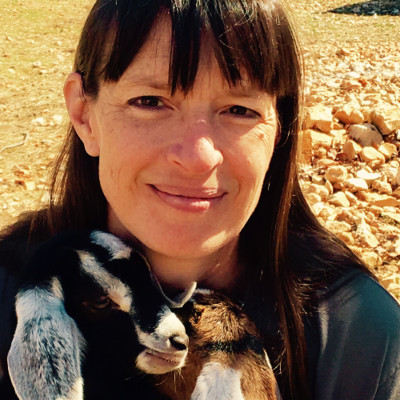
Ruthie Pepler is the owner of Dogwood Hills Guest Farm and an international agritourism development expert. She served as the founding president of the Arkansas Agritourism Association from 2018-2021. She now serves on the board of the Arkansas Agritourism Association, the advisory panel for the Share Grounds Kitchen Project, and during Covid, she worked with the University of Arkansas and the Dept of Health to develop resources for safe agritourism activities.
Ruthie’s passion for farm and table has served to bring families to the farm from all over the world as she continues to nurture the growth of Agritourism in Arkansas and beyond. The farmer is the chef at Dogwood Hills, and a small family farm has grown to be a vital community hub in really rural Arkansas.
Wynn Peterson joined Walmart International in 2009 at the home office in Bentonville, Arkansas. He subsequently worked in Corporate Strategy and Finance positions at Sam’s Club and Walmart US. He has been buying Walmart Produce since 2013.
He has led the merchandising function in all US stores for several fresh produce categories, including potatoes, onions, sweet potatoes, garlic, stone fruit, bananas, pineapples, papayas, mangoes, kiwi and various other tropical fruits and roots. As a Merchant his daily work includes product procurement, quality control, supplier selection, assessment and assignments, cost negotiations, retail pricing, product development, category assortment, merchandising strategies and the overall financial performance for the categories he and his team manage.
Prior to joining Walmart, he held several positions in finance, planning, strategy, and executive management in commercial aviation.
Wynn holds a BA degree from Brigham Young University and an MBA from Rice University.

Dr. Bill Potter is an Extension Poultry Scientist at the University of Arkansas specializing in Food Safety from Preharvest through Processing. He is also an Associate Professor and co-leads the On-Line Food Safety M.S. Program. Previously, he served in the integrated poultry industry for companies such as ConAgra, Advance Foods, George’s, and Elanco. His experience included multiple leadership and executive roles in Food Safety, Quality Assurance, R&D, and Technical Services.
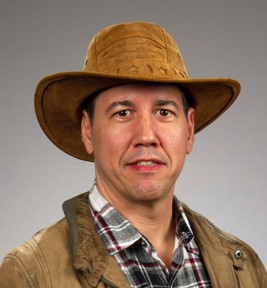
Dr. Q is an Assistant Professor, Small Ruminant Specialist in the Department of Animal Science at the University of Arkansas Division of Agriculture. He leads the state sheep & goat extension program. Additionally, he is the Director of the “TransformAR Program – Innovative Technical Assistance and Transformative Education for Farmers and Ranchers in Arkansas” and the “Sustainable Homesteading Program – Training County Extension Agents to Assist and Educate Homesteaders on Sustainable Agriculture and Family and Consumer Science Skills.” His research has explored many facets of livestock production, including pastures, nutrition, genetics, health, and milk and meat quality. Over the years, Dr. Q has led several large-scale extension programs that involve multiple stakeholders, organizations, and producer associations to support smallholder farmers from production through marketing, resulting in economic, social, and environmental benefits.

Jill Ragan is an author, educator, and the voice behind Whispering Willow Farm in Central Arkansas. With more than a decade of experience growing food, Jill helps others turn the space they have into something abundant and purposeful. Through her books, classes, and everyday life on the farm, she shares practical ways to grow food, bake sourdough, and cook from scratch.
Her approach is grounded in real life: start where you are, use what you have, and build your confidence along the way. With warmth, honesty, and plenty of stories from the garden and kitchen, Jill encourages audiences to feed their people well and find joy in the work of their own hands.

Since joining the Paragould Farmers' Market committee in 2021, Miranda has helped drive remarkable growth and success. Under her leadership, the market has tripled its average vendor attendance and achieved record-breaking shopper participation following its move from the street to the Community Pavilion.

Dr. Mary C. Savin is the Department Head of Horticulture and a Professor of Microbial Ecology and Soil Biology at the University of Arkansas in Fayetteville, AR and the University of Arkansas Division of Agriculture. She leads a department of 17 faculty in sustainable horticulture, landscape and ornamentals, fruit, vegetable, and ornamental production, and turfgrass science. In her research, she seeks to understand ecology as related to the functioning, health, and sustainability of terrestrial and aquatic ecosystems and natural resources. Dr. Savin’s research includes investigation of microbial and food web communities, biogeochemical properties, and physiological responses to anthropogenic changes and management practices. Dr. Savin taught courses in soil science, applied ecology, microbial ecology, environmental science, capstone, communication, and self-development colloquium, and in study abroad programs. She has served as an Assistant Director of the Arkansas Agricultural Experiment Station (2022-2024), Faculty Senate chair (2021-2022), Campus Faculty chair (2020-2021), Wally Cordes Teaching and Faculty Support Center co-director (2015-2018), ASA Education and Extension Section chair (2012), Associate Editor for Natural Sciences Education and the SSSA Soils Multimedia Gallery web page (2013-2018), and as an Associate Editor for the Journal of Environmental Quality (2024-2026).
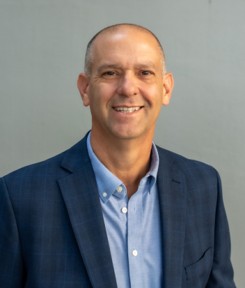
Eric Shelby serves as the Chief Operating Officer of Arkansas Foodbank, where he provides executive leadership in operations, transportation, logistics, facilities, disaster response, and strategic initiatives.
With more than a decade of leadership experience at Arkansas Foodbank, Eric has played a key role in strengthening the organization's operational capacity, expanding infrastructure, and improving the efficiency and effectiveness of food distribution across Arkansas. He oversees critical functions that support the Foodbank's mission of eliminating hunger, including warehouse operations, transportation networks, facility development, compliance, and emergency response planning.
Eric has led numerous capital and community-impact projects, including major facility expansions, food distribution initiatives, and collaborative efforts with government agencies, nonprofit partners, agricultural stakeholders, and community organizations. Known for his collaborative leadership style and commitment to operational excellence, Eric focuses on developing innovative solutions that increase access to nutritious food, strengthen community partnerships, and advance the long-term mission of Arkansas Foodbank.
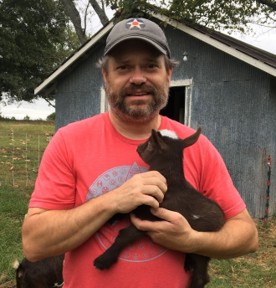
Scott Shellabarger is the Executive Director of St. Joseph Center of Arkansas (SJCA), a nonprofit agricultural education organization in Central Arkansas with the mission to teach people how to grow food, farmers, and community. SJCA's programs include the Little Farm Stop, a year-round local-food store at Breckenridge Village that connects Arkansas farmers directly to shoppers; the Growing Urban Farmers program, which offers free monthly classes and farmer meetups; the West Little Rock and Argenta farmers markets; and Garden911, which helps community gardens and starting farmers build and expand with free technical assistance. Before joining SJCA, Scott spent his career as a technology executive, including VP of IT and CTO roles, and he brings that operations and technology background to building local food systems in Central Arkansas.
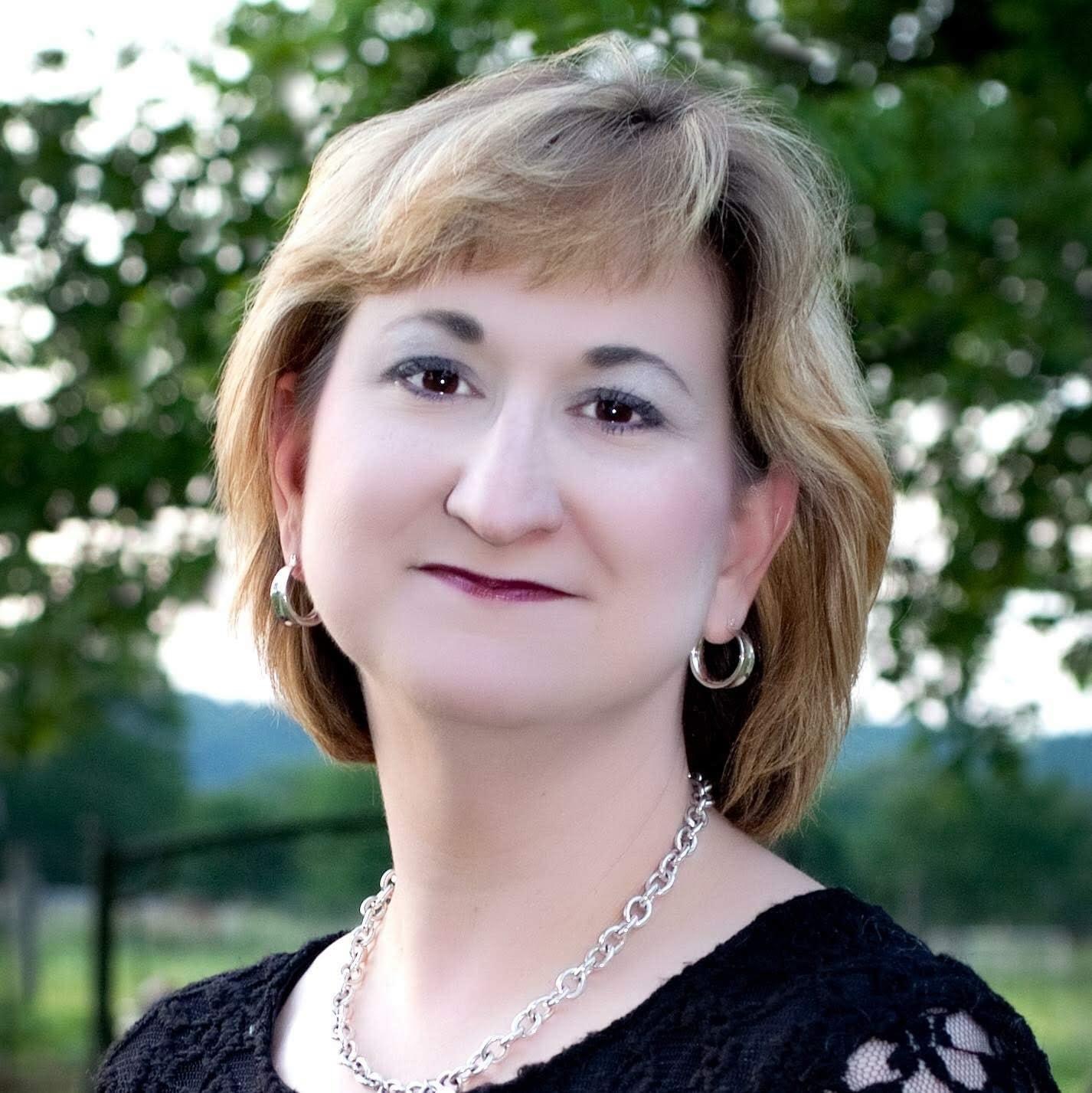
Loretta Smith is small-scale specialty crop farmer and owner of Farindale Farms and a professor at Arkansas Tech University. She holds a BS in Business and Behavioral Science from Erskine College, a MS from Clemson University in Industrial/Organizational Psychology, and a PhD. in Operations Management. Smith opened Farindale Farms in 2023 on reclaimed clear cut timber acreage where she now grows fruits and vegetables to address food insecurity in South Central Arkansas.

Samantha Stadter is a registered dietitian nutritionist with a passion for promoting healthy food access and education. A graduate of the University of Central Arkansas, her work has included managing a statewide SNAP-Ed program, research with Children's HealthWatch and the Center for Science in the Public Interest, and development of evidence-based nutrition education programs. Currently, she serves as the Community Nutrition and Food Security Coordinator at Baptist Health, where she manages food as medicine programs, teaches community cooking classes, and offers lactation counseling and support for new moms. Samantha believes in the right to healthy food for all individuals and strives to make this a reality through her work and advocacy efforts. She lives in Little Rock with her husband and 4-year old daughter and their miniature schnauzer

Lisa Stafford, MHA, MS, serves as SVP of Research & Innovation for the Center for Research & Health Innovation (CRHI) at Community Clinic, where she leads the development of a high-performing, multidisciplinary team focused on advancing community-engaged research, driving innovation in healthcare delivery, and scaling initiatives that connect patients and families to healthy behaviors. In this role, she champions cross-sector collaboration—bridging clinical care, academia, philanthropy, and community partners—to co-design solutions that improve healthcare experience, build healthier communities, and strengthen systems of care. Prior to joining Community Clinic, Stafford was the Senior Director of Strategic Partnerships for the Alice L. Walton School of Medicine and the Heartland Whole Health Institute, where she cultivated an ecosystem of high-impact partnerships to advance whole-person care, integrative health models, and innovative medical education. She played a key leadership role in establishing shared initiatives, aligning institutional priorities, and positioning both organizations as national leaders in holistic and community-centered health transformation. Previously, as Vice President of Client Operations and Strategic Partnerships for TrestleTree, a corporate wellness and disease management company, Stafford led large-scale client engagements across pharmaceuticals, higher education, union groups, and integrated health systems. She oversaw multidisciplinary teams in program design and implementation, created scalable engagement strategies, and drove operational innovation to improve outcomes and client retention. She also served as Privacy and Compliance Officer and partnered with the CEO on long-term strategy, growth planning, and business development. Earlier in her career, Stafford founded and led a medical billing and consulting company, where she supported primary care, specialty providers, and health systems in launching new practices, optimizing financial operations, and building sustainable business models. Her work across entrepreneurial, corporate, and nonprofit environments gives her a unique ability to bridge strategy, innovation, and execution.
With more than 25 years of experience in the health and wellness industry—including her early work as a counselor—Stafford brings a holistic perspective to healthcare transformation, patient experience, and community voice as drivers of system innovation. She holds a Master of Healthcare Administration from Texas Woman’s University and a M

Austin earned his Bachelor of Science in Community Nutrition from the University of Central Arkansas and has focused his career on improving nutrition security and community health. As a program leader with the Arkansas Foodbank, he oversees Food is Medicine, a program that supports healthier food pantry models and fosters partnerships between pantries and healthcare systems to better serve individuals experiencing food insecurity. He also manages the Foodbank's SNAP Help Center, Food for Kids, and Food for Seniors programs, which collectively provide nutrition support to Arkansans throughout the Arkansas Foodbank's 33-county service area.

Leslee Tell is the Farm-to-School Coordinator within the Food and Nutrition Division of the Arkansas Department of Agriculture. Appointed to the role in April 2025, she leads statewide initiatives to connect schools, local farmers, and communities to provide scratch-cooked, nutritious, and locally sourced meals to students.

Michael Thomsen Directs the Center for the Study of Obesity at the Fay W. Boozman College of Public Health, where he holds the Governor Sidney S. McMath Chair in Obesity Prevention. He joined UAMS after nearly 23 years on the faculty with the University of Arkansas at Fayetteville and the University of Arkansas System Division of Agriculture. Over his career, Dr. Thomsen’s research has focused on the intersection between the food distribution system and human health with a specific focus on childhood obesity. He has worked in partnership with the Arkansas Center for Health Improvement to identify environmental contributors to excess weight gain and to understand the needs of student populations at greatest risk for developing obesity. Dr. Thomsen has led multidisciplinary initiatives to promote local food systems that are capable of providing fresh fruits and vegetables to Arkansas communities and is currently leading a fresh produce prescription program for patients with cancer. His research program is helping to clarify the role of nutrition assistance in diet, health, and food security. Dr. Thomsen’s current research has received support from the National Institute on Minority and Health Disparities, the National Institute of Mental Health, the Robert Wood Johnson Foundation, the National Science Foundation, the United States Department of Agriculture, and the Arkansas Rural Health Transformation Program.

Dr. Renee Threlfall is an Associate Professor at the University of Arkansas System Division of Agriculture (UA System), Fayetteville. She has worked in the Food Science Department at the UA System for over 30 years. She currently has a split position of 47% research, 35% Extension, and 18% teaching. At the University of Arkansas, she completed her B.S. in Microbiology and M.S. and Ph.D. in Food Science with an emphasis in enology and viticulture.
Dr. Threlfall’s research and extension at the UA System is focused on processing and postharvest storage of specialty crops (wine grapes, muscadine grapes, table grapes, blackberries, strawberries, peaches, etc.) and value-added processing of horticultural crops. She has over 50 refereed journal publications. She teaches an introduction of enology and viticulture class, Uncorked: Vines to Wines, at the University of Arkansas each fall and teaches enology, viticulture and sensory topics for grape and wine production in other Food Science classes.
Dr. Threlfall is a member of the American Society of Enology and Viticulture (ASEV), ASEV-Eastern Section, American Wine Society, American Society for Horticultural Science, and North American Raspberry and Blackberry Association. Dr. Threlfall is on the Extension and Outreach Committee for the National Grape Research Alliance and is also a member of the Arkansas Association of Grape Growers and serves on the Arkansas Wine Producers Council. She is also the director of the Arkansas Quality Wine Program.
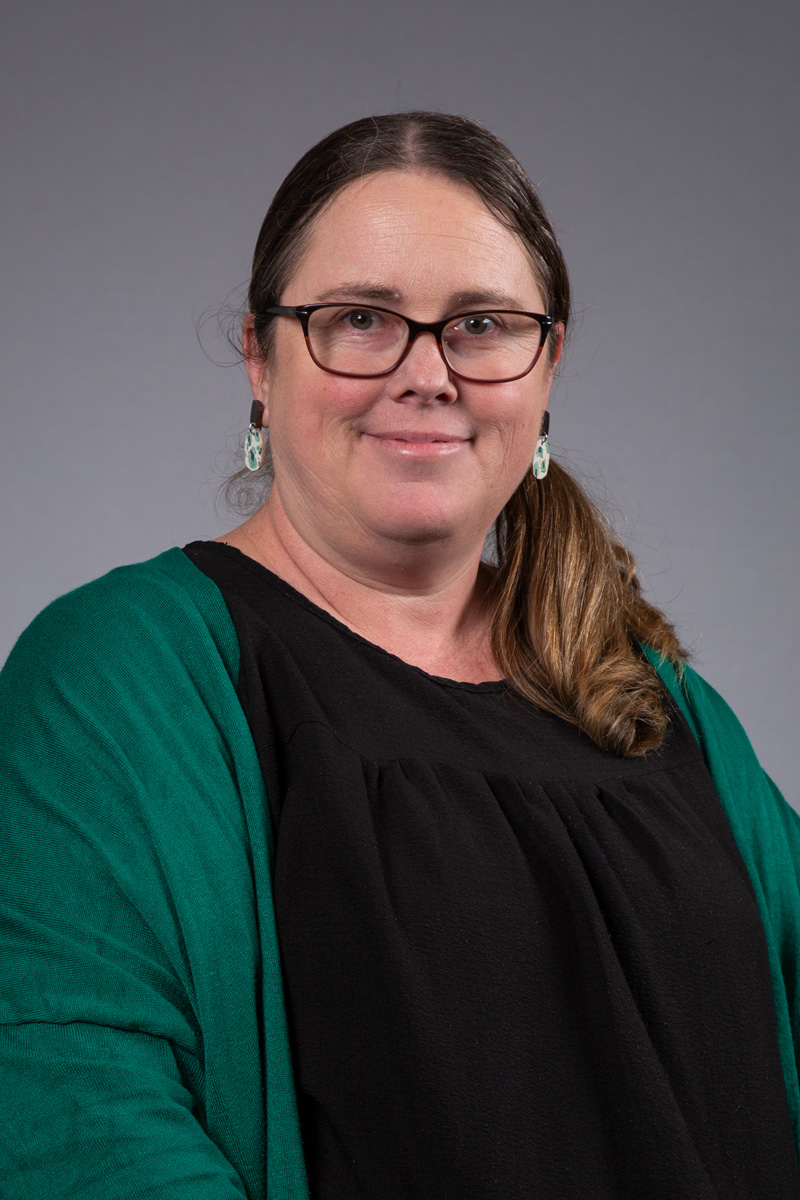
Christie Wagley is the Family & Consumer Sciences & 4-H Youth Development County Extension Agent in Poinsett County. Christie began working for the University of Arkansas Division of Agriculture Cooperative Extension Service in 2024. She serves on the Food Preservation Agent Specialist team for the Delta District, sharing research-based practical knowledge of water-bath canning, pressure canning and other food preservation techniques.
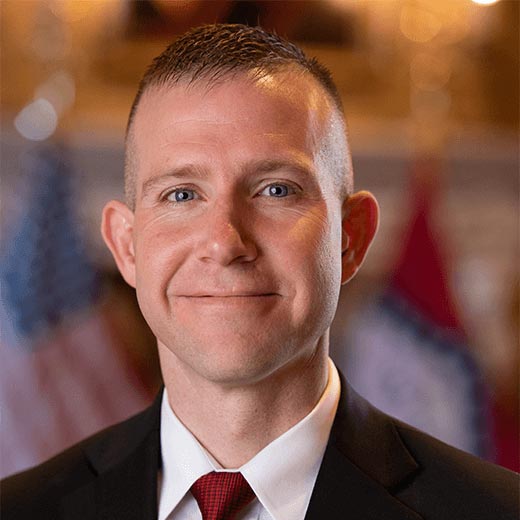
Wes Ward is serving as the 3rd Secretary of Agriculture for the State of Arkansas. He was appointed to the position in March 2015 by Governor Asa Hutchinson.
Wes is from the small town of Lake City in Northeast Arkansas and is a graduate of Riverside High School. He earned a Bachelor of Science degree in Agricultural Business with an emphasis in Agricultural Finance from Arkansas State University. Wes has also earned a law degree (JD), a Master of Laws degree (LL.M.) in Agricultural and Food Law, and a Master of Science degree in Agricultural Economics from the University of Arkansas.
After the Harvest 2025 Event Slides and Resources
Friday Slides
- Setting the Table for Local Food, Amanda Perez
- Farm Stops and the National Network, Katie Barr
- Farm Stop School 101, Argus Farm Stop
- Farm Stop Merchandising, Argus Farm Stop
- Farm Stop Business Structure, Argus Farm Stop
Saturday Slides
- The Farm Stop Model and Consignment Approach, Argus Farm Stop and Katie Barr
- Growing Your Farm Stop, Argus Farm Stop
- Inventory Management and Tools, Argus Farm Stop
- Keep it Cool! Postharvest Handling and Infrastructure, Amanda Perez, Sarah Bakker, Nena Hammer
Resources
- CoolBot FactSheet
- USDA Local and Regional Food Systems Resource Guide
 Check out a video on Farm Stops in Arkansas
Get updates on future After the Harvest events and webinars: sign up for email updates here.
Questions? Contact Dr. Amanda Philyaw Perez at aperez@uada.edu or Sarah Bakker at sbakker@uada.edu