NALC: Cameras a safe bet when dealing with trespassers
Nov. 23, 2026
By Mary Hightower
University of Arkansas Division of Agriculture
Fast Facts
- Landowners have a duty to not injure a trespasser
- Rural law enforcement has to cover vast distances, affecting response time
(427 words)
DOWNLOAD related images of game camera, Rusty Rumley
FAYETTEVILLE, Ark. — Cameras, and not booby traps, are the safest way to deal with trespassers, said Rusty Rumley, senior staff attorney with the National Agricultural Law Center.
Rumley discussed the issue of trespass in his article, “What can ‘legally’ be done about trespassers?” published in Southern Ag Today. The article deals narrowly with the issue by assuming the trespasser is an adult and that there is no immediate danger to the landowner or others on the property, so self-defense is not an issue.
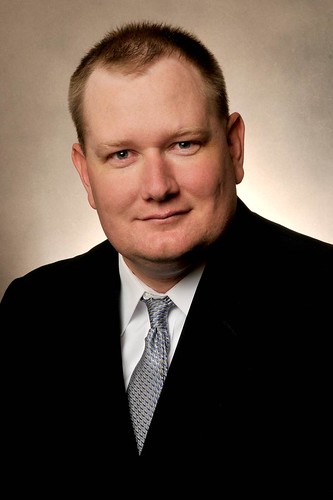
“Landowners owe trespassers on their property a legal responsibility, called ‘a duty of care.’” Rumley said. “The general duty of care is not to engage in willful or wanton misconduct that injures the trespasser.”
In this case, “willful or wanton misconduct” extends to setting booby traps or any other conduct that would injure the trespasser.
Rumley said that the desire to set traps may seem puzzling to urban and suburban residents, who frequently ask him why anyone would want to set up booby traps.
The answer has to do with law enforcement response times in rural areas.
“Police response times tend to be much slower in rural areas because of the vast distances that law enforcement is expected to cover,” he said. “Rural residents become frustrated after calling law enforcement multiple times about trespassers and law enforcement not having the ability to show up in time to catch the perpetrators.
“This frustration is often enhanced if the trespasser is poaching or committing theft,” Rumley said. “This frustration can lead to the landowners resorting to ‘self-help,’ which often involves booby traps in some form.”
Should a booby trap go off, “the landowner could potentially be civilly and criminally liable for that action,” he said. “This means that a landowner could face potential jail time for this action, and the trespasser could, and likely would, sue the landowner for their personal injury damages.”
Rumley said the other issue about booby traps is that they are indiscriminate.
“They will go off whether the trespasser is 28 years of age or 8 years of age,” he said.
There are other options for rural property owners.

“Landowners can now buy game cameras to set up on their property that will send photos or videos directly to their smartphone when someone crosses over their property line,” Rumley said. “They can call law enforcement, and because they call them so quickly, the chances of catching the trespasser are higher.
“Landowners also have evidence that the police can use if the decision is made to bring charges against the trespasser,” he said.
The NALC is a unit of the University of Arkansas Division of Agriculture and works in close partnership with the National Agricultural Library, a subsidiary of the USDA’s Agricultural Research Service. For information about the NALC, visit nationalaglawcenter.org. The NALC is also on X, Facebook and LinkedIn as @nataglaw. Subscribe online to receive NALC Communications, including webinar announcements, the NALC’s Quarterly Newsletter, and The Feed.
About UADA
The University of Arkansas Division of Agriculture’s mission is to strengthen agriculture, communities, and families by connecting trusted research to the adoption of best practices. Through the Agricultural Experiment Station and the Cooperative Extension Service, UADA conducts research and extension work within the nation’s historic land-grant education system.
UADA is one of 22 entities within the University of Arkansas System. It has offices in all 75 counties in Arkansas and faculty on three university campuses.
Pursuant to 7 CFR § 15.3, UADA offers all its Extension and Research programs and services (including employment) without regard to race, color, sex, national origin, religion, age, disability, marital or veteran status, genetic information, sexual preference, pregnancy or any other legally protected status, and is an equal opportunity institution.
# # #
Media Contact:
Phillip Powell
ppowell1@uark.edu