Posts
Contact
Lisa Davis
Program Associate-Leadership
Phone: 501-671-2260
Email: ldavis@uada.edu
University of Arkansas Division of Agriculture
Cooperative Extension Service
2301 S. University Avenue
Little Rock, AR 72204
Beyond Recognition: Creating a Culture of Appreciation
 Feeling valued matters. Whether we are working with employees, colleagues, volunteers,
or community partners, appreciation can have a powerful impact on relationships, engagement,
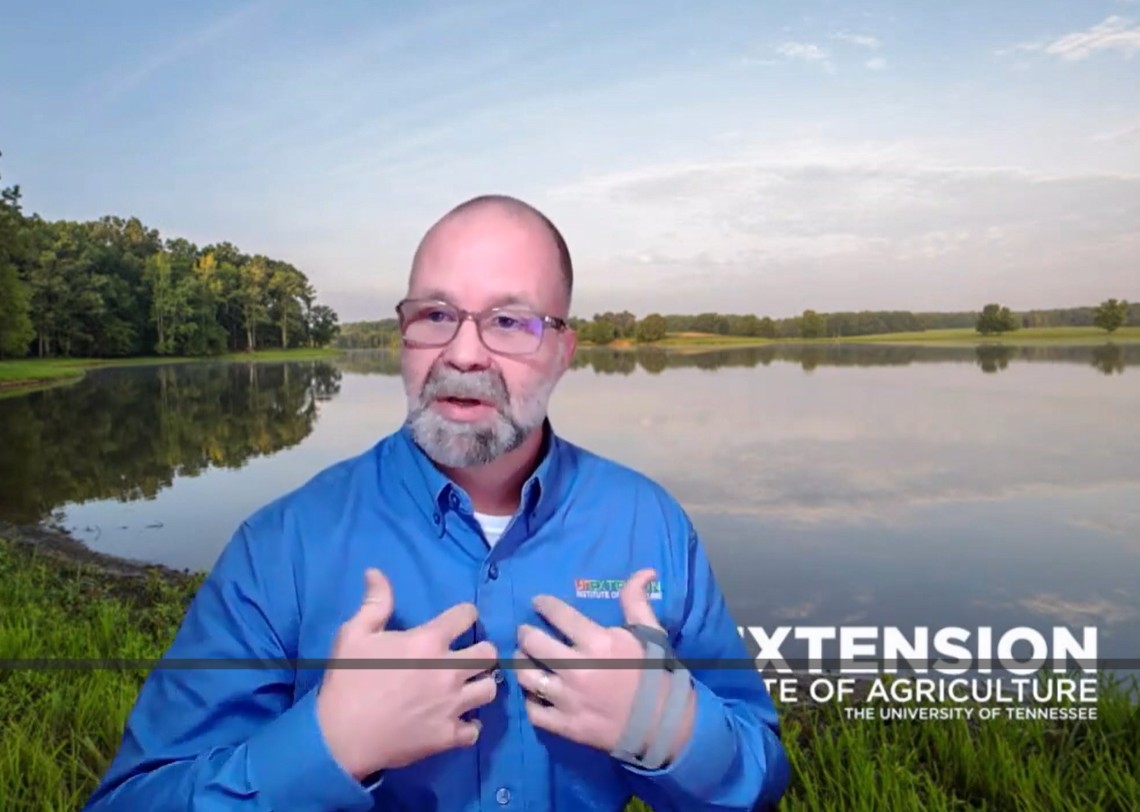
and workplace culture. In a recent episode of Cultivating Leadership, Dave Close with
University of Tennessee Extension joined Dr. Julie Robinson and Dr. Steve Siegelin
to discuss The 5 Languages of Appreciation in the Workplace by Gary Chapman and Paul White. One of the central themes of their conversation was
simple: our work is relational. Technical knowledge is important, but our ability
to build meaningful relationships with the people around us is equally important.
Feeling valued matters. Whether we are working with employees, colleagues, volunteers,
or community partners, appreciation can have a powerful impact on relationships, engagement,
and workplace culture. In a recent episode of Cultivating Leadership, Dave Close with
University of Tennessee Extension joined Dr. Julie Robinson and Dr. Steve Siegelin
to discuss The 5 Languages of Appreciation in the Workplace by Gary Chapman and Paul White. One of the central themes of their conversation was
simple: our work is relational. Technical knowledge is important, but our ability
to build meaningful relationships with the people around us is equally important.
Recognition vs. Appreciation
One of the most interesting distinctions discussed was the difference between recognition and appreciation. Recognition is generally tied to performance—an award, certificate, achievement, or accomplishment. Appreciation goes deeper. It focuses on the individual and the value that person brings simply by being who they are.
That difference matters. A plaque or public award may be meaningful to some people, but it may not make everyone feel genuinely valued. Appreciation requires us to know the people we work with and understand what is meaningful to them.
The Five Languages of Appreciation
The book identifies five ways people may prefer to receive appreciation:
Words of Affirmation, Quality Time, Acts of Service, Tangible Gifts, and Appropriate Physical Touch.
The key is recognizing that there is no one-size-fits-all approach. A sincere compliment may mean a great deal to one person, while another may feel more valued when a colleague takes time to listen, helps with a project, or offers another thoughtful gesture.
Appreciation Must Be Authentic
Effective appreciation cannot simply become another item on a leadership checklist. People can usually recognize when praise is forced or when appreciation is being used simply to increase productivity. Instead, appreciation should come from a genuine desire to value people and strengthen relationships. That requires leaders and coworkers to invest time in learning about one another. The conversation also emphasized that creating this kind of culture does not happen overnight. Appreciation takes intentional effort, particularly in organizations where it has not traditionally been part of the culture.
Start Somewhere—with Someone
Perhaps one of the most practical lessons from the discussion is that creating a culture of appreciation does not require a major organizational initiative. Start somewhere with someone. A leader might begin with their immediate team. A county agent, program assistant, specialist, or volunteer coordinator can begin with the people they interact with every day. Over time, those small actions can influence relationships, teams, and ultimately the culture of an organization.
Appreciation is not limited to supervisors or formal leaders. Anyone can help create a workplace where people feel seen, valued, and connected. And sometimes, changing an organizational culture begins with something as simple as letting one person know: I appreciate what you bring to this team.
The Cultivating Leadership with Extension podcast series supplements our Leadership Lunch and Learn series featuring leadership experts from across the south. Each presenter reviews a leadership development book. The series gives you the opportunity to hear the cliff notes version of many popular leadership development books. Join us for future podcasts.