Posts
Contact
Stacey McCullough
Assistant Director-CPED
Phone: 501-671-2078
Email: smccullough@uada.edu
University of Arkansas Division of Agriculture
Cooperative Extension Service
2301 S. University Avenue
Little Rock, AR 72204
3 Takeaways For Starting a Business Podcast

Brandon L. Mathews, Program Associate of Economic Development for U of A Division of Agriculture Cooperative Extension Service (UADA) presented, “Getting Started with Podcast” for Arkansas Small Business and Technology Development Center (ASBTDC).
This webinar was designed to educate small business owners on the value (and challenges) of starting a podcast for their business. Attendees learned about a variety of topics from how to start a podcast to what type of equipment to use.
One of the topics included five reasons a small business owner should start a podcast for their business. Here are three of those reasons:
1. Monetization
Anyone who uses a computer, or a smartphone connected to the internet knows that the internet runs advertisements (sorry, Dunkin Donuts). Whether you are listening to your favorite NPR podcast, True Crime Thriller, or podcast hosts like Joe Rogan or MKBHD, one thing remains true for all of them. They monetize their shows. According to Merriam-Webster, monetization means, “to utilize (something of value) as a source of profit. All these podcasts have dedicated listeners and provide some type of value to their audience. Because of this value, the businesses behind the podcasts can seek and request advertising deals for their show because they have listeners. Audience + Marketing Value = Monetization. While this may sound enticing, doing so is not as easy as it sounds. To be effective, you need to build an audience of listeners that are loyal to your show. Once you have a dedicated audience, then you have an opportunity to make a pitch (or be pitched) to include other brands and products in your business. For example, let’s say you own a Korean-style food truck, and you want to start a podcast discussing Korean and Korean-fusion cuisine. One idea for monetizing the podcast is by asking some of the vendors for your ingredients, spices, and tools to be featured for a sponsorship. As your audience grows, so can your sponsorship opportunities. Another way of monetizing your show is through a subscription or membership model. Let’s use the same business model for illustration. Instead of relying on advertising as the revenue stream, the same food truck can produce the podcast and share it with an exclusive group of members or subscribers that contribute to the show monetarily. You could even offer those subscribers a discount when they visit. Either way, there are multiple ways to make money off your podcast, but you must have listeners. And to have listeners, you must add value.
2. Engagement
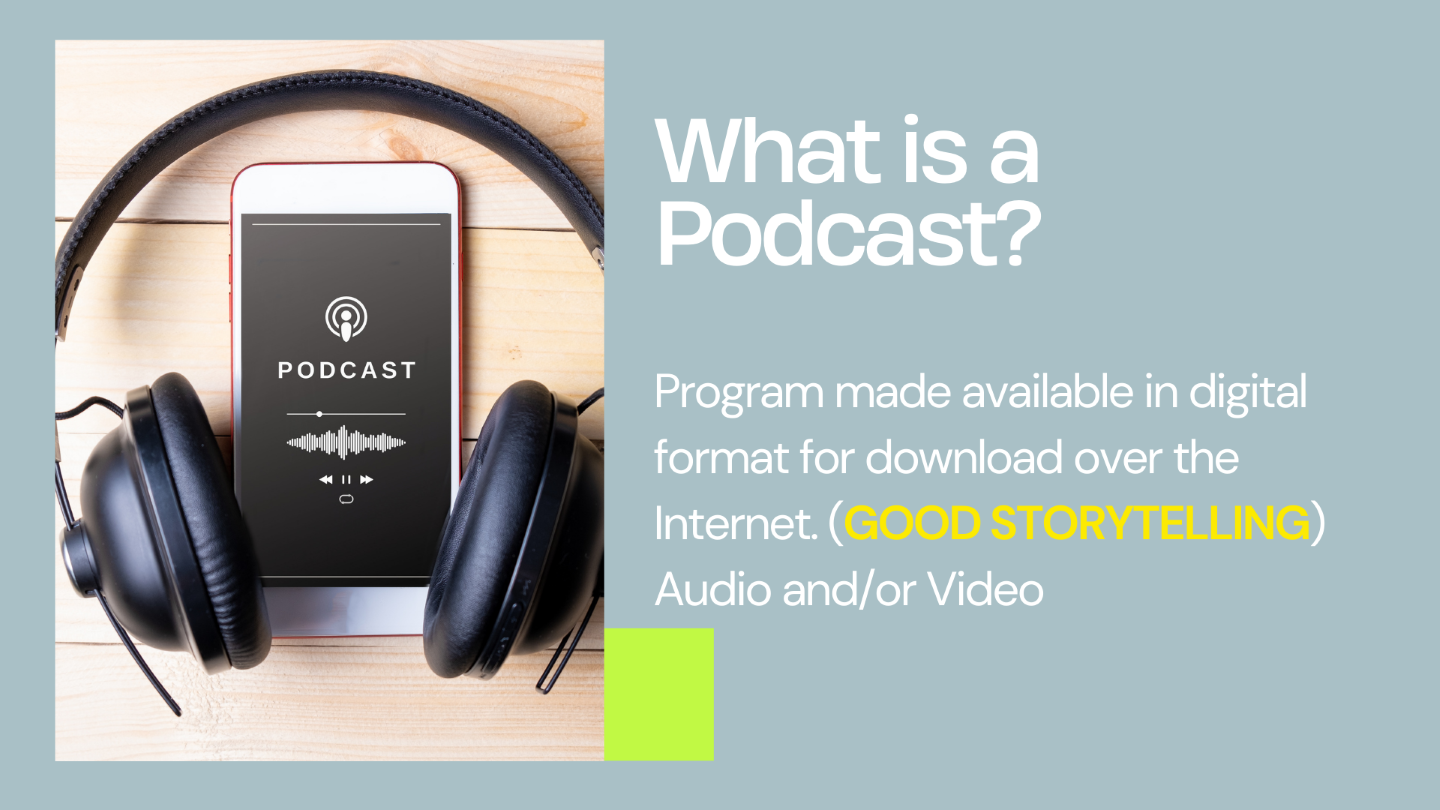
Consumers are looking for ways to engage and interact with the brands and products they enjoy. A podcast can be a great way to do that, especially if it is centered around things your audience and you both enjoy. Another way of keeping people engaged is by asking your listeners to participate by submitting questions or responses and featuring them on your show. For example, let’s say you run a bicycle shop and have a podcast where you feature cycling news and rumors in Arkansas along with new product releases, equipment, and the latest race-day hacks. As part of your show, you have a listener feature section where listeners are asked to call in or email you messages to have on the show. This could be a request for things like their ride setup, upcoming event they are training for, or favorite place to ride. At the end of the day, asking people to engage and giving them a chance to be featured on an episode can be a powerful tool.
3. Selling
As a business owner, it’s at your core to sell a product or service, but how you sell can make the difference in having a small, unengaged audience to having a large audience that is loyal and waiting for the next episode to drop. Attendees were cautioned that overselling could be more harmful. You’ve likely experienced this on other social media platforms where all a business does is post products for sale multiple times a day. The product may be great, but if the only value you offer listeners on your podcast is the opportunity to purchase another one of your products, your show probably will not be successful. For example, let’s say you own a pharmacy with a large over-the-counter section. On the podcast, you might talk about managing disease states and managing them. During the episode, it might be appropriate to plug a specific product from time to time, but it does not mean that every episode should be selling inventory. Over time, you could plan episodes that feature interventions and product opportunities that make sense without selling too much too often.
Next Steps: Join us on Aug 22 to learn more about podcasts!
If you are interested in starting a podcast for your small business but don’t know how or where to get started, you can join Brandon L. Mathews again for another webinar Tuesday, August 22, 2023 from 11:00am-12:30pm through the Arkansas Business Navigator program.
Attendees will learn about the other two reasons to start a podcast, review equipment and software that fits any budget, and some practical tips and tricks for staying on topic and developing episodes. Individuals should register now to reserve their spot as space is limited.
If you are in need of free, confidential small business consulting, marketing research, business planning, or financing, you can sign up to be a client of Arkansas Business Navigator program with UADA.
About Arkansas Business Navigator
The Arkansas Business Navigator Project (ABN) seeks to assist businesses with access to capital, business development, contracting and procurement, marketing, operations, and exporting and help small businesses address and overcome some of the systemic challenges that face entrepreneurs from underrepresented communities.
Under the community navigator approach, trusted community partners act as “spokes.” Each spoke will reach into specific sectors of the state’s entrepreneurial community. As the “hub,” ASBTDC will provide centralized support and structure for the spokes.
Arkansas Business Navigator spokes include:
- Arkansas Human Development Corporation
- Arkansas State Chamber of Commerce
- Central Arkansas Library System
- East Arkansas Enterprise Community
- Phoenix Youth and Family Services
- University of Arkansas Division of Agriculture Cooperative Extension Service
- About the U of A Division of Agriculture
The University of Arkansas Division of Agriculture’s mission is to strengthen agriculture, communities, and families by connecting trusted research to the adoption of best practices. Through the Agricultural Experiment Station and the Cooperative Extension Service, the Division of Agriculture conducts research and extension work within the nation’s historic land grant education system.