Your Guide to Vaccine Updates and Outbreaks This Season
Contact
Heather Wingo
AR-OK Regional Extension
Immunization Educator
Phone: (501) 671-2027
Email: hwingo@uada.edu
University of Arkansas Division of Agriculture
Cooperative Extension Service
2301 S. University Ave.
Little Rock, AR 72204

Your Guide to Vaccine Updates & Outbreaks This Season
Heather Wingo
December 19, 2025
Recent headlines about ACIP decisions and outbreaks may prompt parents to have questions about trusted sources and guidance on what to do. With so much information circulating, it’s easy to feel overwhelmed. This post breaks down the most common questions parents might ask and provides clear, evidence-based answers.
Why are Vaccines in the News Right Now?
The Advisory Committee on Immunization Practices (ACIP) recently updated recommendations for the Hepatitis B vaccine, and outbreaks of measles and whooping cough have made national headlines. Parents are also hearing about RSV prevention and concerns about the multiple vaccines or ingredients, such as aluminum. Here’s what you need to know to help make informed decisions.
Hepatitis B Policy Change

For more than 30 years, most newborns in the US received their first Hepatitis B (Hep B) shot within 24 hours of birth. On December 5, 2025, the ACIP voted to remove the universal birth dose recommendation for babies born to mothers who test negative for Hep B. You can read the blog post here.
- What changed? Families can now decide with their healthcare provider whether to delay the first dose until 2 months of age.
- Why it matters: Babies infected at birth have up to a 90% chance of developing chronic Hep B, which can lead to liver cancer later in life. The birth dose still applies for babies born to mothers who are Hep B positive or whose status is unknown.
Measles Outbreak & MMR
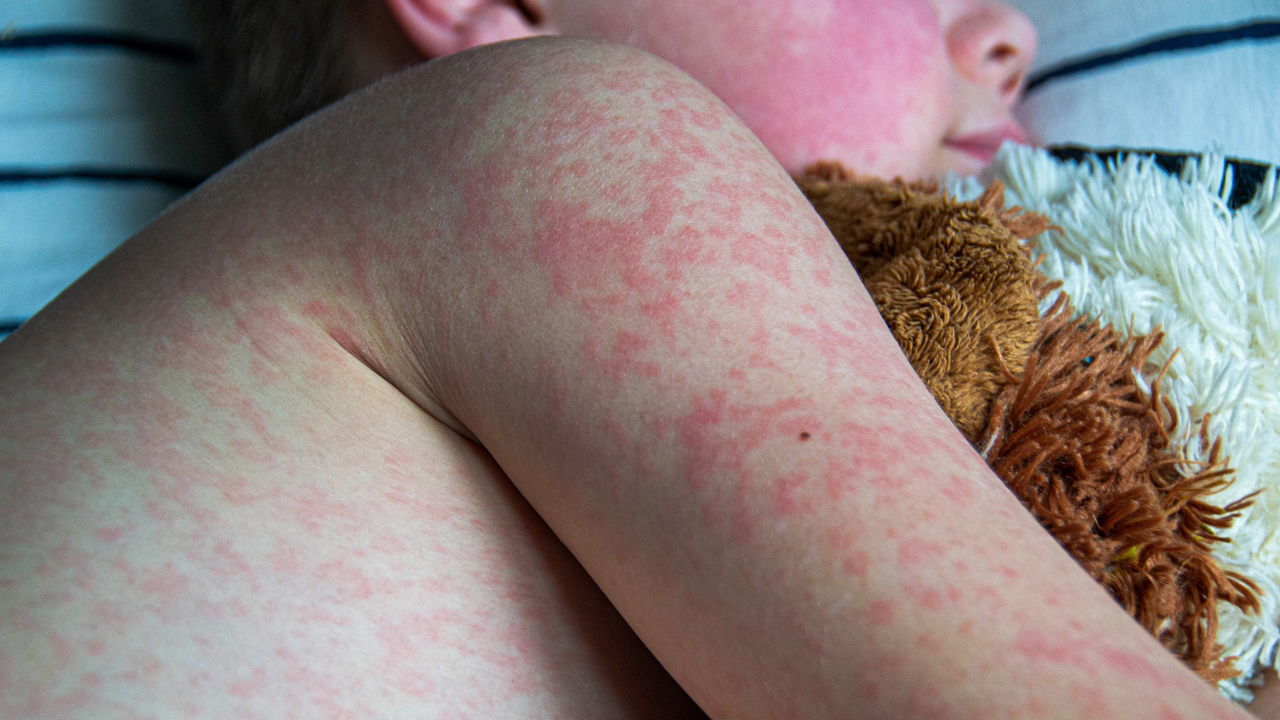
Measles Cases are rising in the US, often in communities with low vaccination rates. Two doses of the MMR vaccine provide strong protection. Encourage parents to check their child’s immunization record and stay up to date.
- Visit our MMR Vaccine & Measles webpage
- Follow outbreaks in the US
- Handout on Measles: Questions and Answers
- Handout on MMR Vaccine Does Not Cause Autism
- Handout on Evidence Shows Vaccines are Unrelated to Autism
Getting Multiple Vaccines at One Visit (Coadministration)
Parents sometimes worry that too many shots at once could overload a child’s immune system. Research shows coadministration is safe and effective. Combining vaccines reduces the number of missed doses and protects children sooner.
- Handout on Coadministration and How We Know It is Safe
Aluminum Concerns
Aluminum is used as an adjuvant (an ingredient used to help create a stronger immune response) to help vaccines work better. The amount of aluminum in vaccines is very small – far less than what babies naturally ingest through breast milk or formula. It’s been safely used for decades.
- Handout on aluminum in vaccines
- Video on Is the Aluminum in Vaccines Safe?
Whooping Cough (Pertussis) Outbreak
Recent outbreaks, like the one in Kentucky, highlight the importance of boosters. Protection against whooping cough wanes over time. Tdap boosters for adolescents and adults are crucial in protecting babies and communities.
- Handout on Pertussis (Whooping Cough): Questions and Answers
- Handout on Diphtheria: Questions and Answers
- Handout on Tetanus: Questions and Answers
 RSV Protection
RSV can be serious for infants and older adults. New vaccines and monoclonal antibodies are available. Encourage parents to talk with their healthcare provider about options for their child.
- Visit webpage on RSV: When It’s More Than Just a Cold
- Visit webpage on RSV Immunizations: Two Ways to Protect Babies
In Conclusion...
Vaccines remain one of the best tools to protect your family’s health. If you have questions, start by talking with your healthcare provider. For more on how we communicate health information effectively, check out our post on Trust in Translation.
- Handout on Clear Answers and Smart Advice about Your Baby’s Shots
- Resources for Parents & Parents-to-Be
- Vaccine History Timeline
- Handout on Reliable Sources of Immunization Information: Where Parents Can Go to Find Answers!
- Handout on Vaccinations are Safe: Explaining Why
- Handout on What If You Don’t Vaccinate Your Child
- Handouts on Addressing Vaccination Anxiety

