One Shot Against Cancer: Understanding the HPV Vaccine
Contact
AR-OK Regional Extension Immunization Educator
Phone: (501) 671-2027
Email: hwingo@uada.edu
University of Arkansas Division of Agriculture
Cooperative Extension Service
2301 S. University Ave.
Little Rock, AR 72204
One Shot Against Cancer: Understanding the HPV Vaccine
Heather K. Wingo
February 13, 2026
One of the most powerful tools available is the human papillomavirus (HPV) vaccine – the only vaccine that helps protect against several types of cancer.
Human papillomavirus, or HPV, is a very common virus. Most people will be exposed to it at some point, often without knowing it. While many HPV infections go away on their own, some types can lead to cancers of the cervix, throat, anus, and other parts of the body years later. The good news is that there is a safe and effective vaccine that helps prevent the types of HPV most likely to cause cancer.
For parents, caregivers, and adults in our communities, understanding the HPV vaccine is essential to making informed health decisions. This blog explains what HPV is, how the vaccine works, and why health experts recommend it as part of routine preventive care.
What is HPV? Why does it matter?
Human papillomavirus (HPV) is the most common sexually transmitted infection in the United States. About 42.5 million people are currently infected, and at least 13 million new infections occur each year.
There are more than 200 types of HPV. Most infections go away on their own, but some high-risk types can cause cancer if they persist over time.
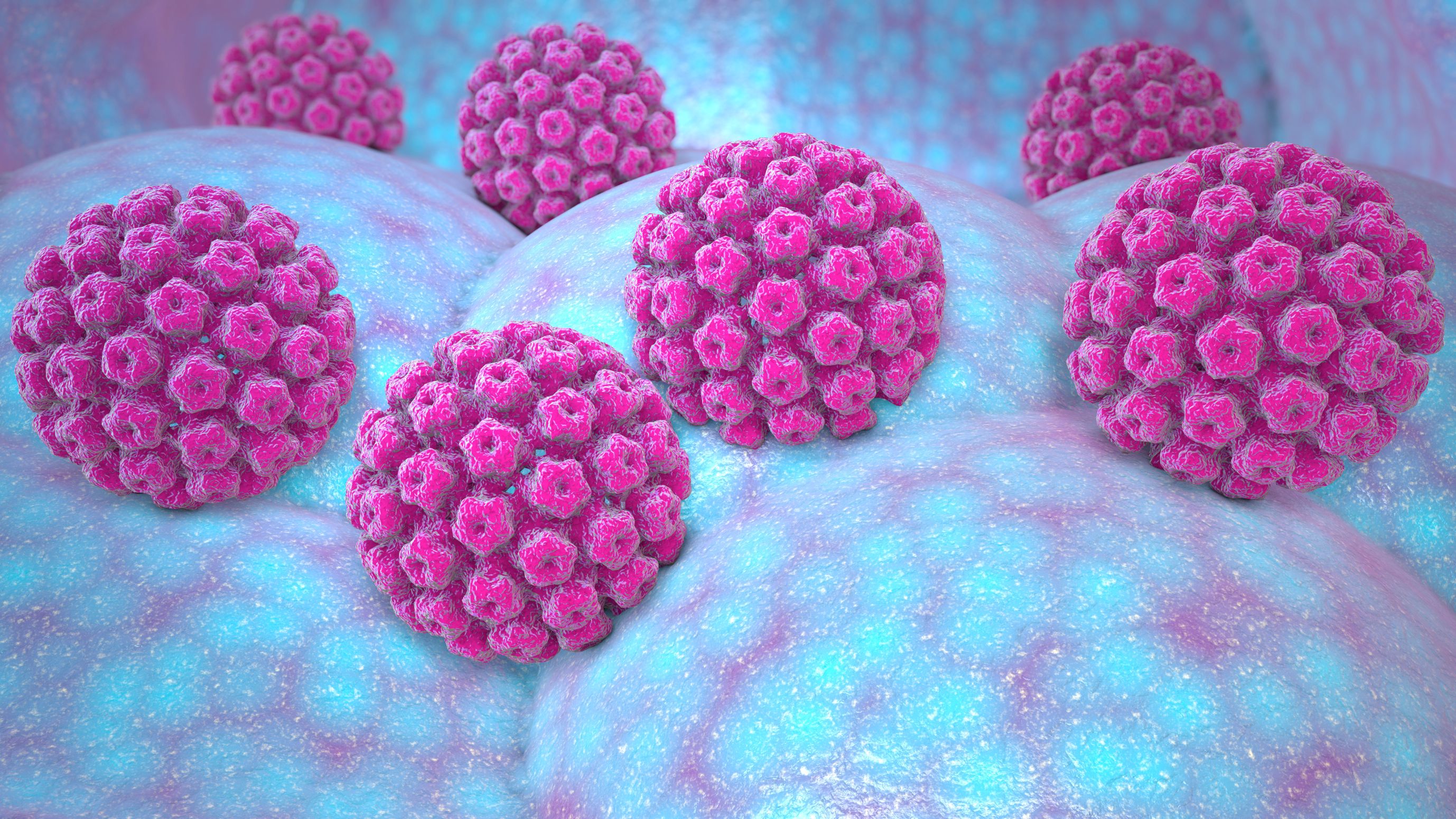
HPV is linked to several cancers, including:
- Cervical cancer
- Throat (oropharyngeal) cancer
- Anal cancer
- Penile cancer
- Vaginal and vulvar cancers
In the United States, more than 47,000 people develop an HPV-related cancer each year.
How the HPV Vaccine Helps Prevent Cancer
The HPV vaccine protects against the most common high-risk HPV types. The current vaccine used in the U.S. protects against nine HPV types responsible for most HPV-related cancers and genital warts.
According to the American Academy of Family Physicians, the vaccine protects against HPV types that cause about 90% of cervical, anal, penile, vulvar, and vaginal cancers.
Research also shows:
- The vaccine provides long-lasting protection, with more than 10 years of effectiveness observed.
- HPV vaccination has been associated with a 50% reduction in HPV-related cancers in men.
Who Should Get the HPV vaccine?
Health experts recommend the HPV vaccine for both girls and boys.
- Age 11-12 years (can start as early as age 9)
- Ages 9-14: 2 doses, 6-12 months apart
- Ages 15-26: 3 doses over 6 months
Adults ages 27-45 may still be eligible in certain situations and should discuss vaccination with a healthcare provider. The vaccine works best when given before exposure to HPV, which is why it’s recommended in early adolescence.
What if I’m in college or already an adult?
If you did not get the HPV vaccine when you were younger, it may not be too late. Health experts recommend the HPV vaccine for everyone aged 26 or younger who has not already been vaccinated. Many college health centers, pharmacies, and clinics offer the vaccine.
Adults ages 27-45 may also be eligible in some cases. If you are unsure, talk with a healthcare provider or pharmacist to see if the HPV vaccine is right for you.
Getting vaccinated as a young adult can still protect against the HPV types most likely to cause cancer.
Is the HPV vaccine Safe?
Yes. The HPV vaccine has been extensively studied and monitored for safety. Major medical organizations, including the American Academy of Pediatrics and the American Academy of Family Physicians, support routine HPV vaccination based on substantial evidence of safety and effectiveness.
Like most vaccines, the side effects are usually mild and temporary, such as:
- Soreness at the injection site
- Mild fever
- Headache or fatigue
Why vaccinate both boys and girls?
HPV does not affect only one gender. It can cause cancer in both males and females.
For example: 
- HPV causes over 90% of cervical cancers.
- About 70% of throat cancers are linked to HPV.
Vaccinating all adolescents:
- Protects individuals from cancer
- Help to reduce the spread of HPV in the community
- Contributes to long-term cancer prevention
What about cost and access?
Most families can receive the HPV vaccine with little or no out-of-pocket costs:
- Private Insurance and Medicaid typically cover recommended vaccines without cost-sharing.
- The Vaccines for Children (VFC) program, administered through your local health department, provides free vaccines for eligible children and teens.
Current Vaccination Trends
HPV vaccination rates have improved over time, but we still have work to do – in 2023, just over 60% of adolescents were up to date with the HPV vaccine.
Health experts emphasize the importance of strong provider recommendations and routine adolescent vaccination visits to increase vaccination rates.
The Bottom Line
The HPV vaccine is a safe, effective, and widely available tool to prevent several types of cancer. Getting vaccinated at the recommended age can protect individuals long before cancer risk begins.
Steps for parents/young adults: 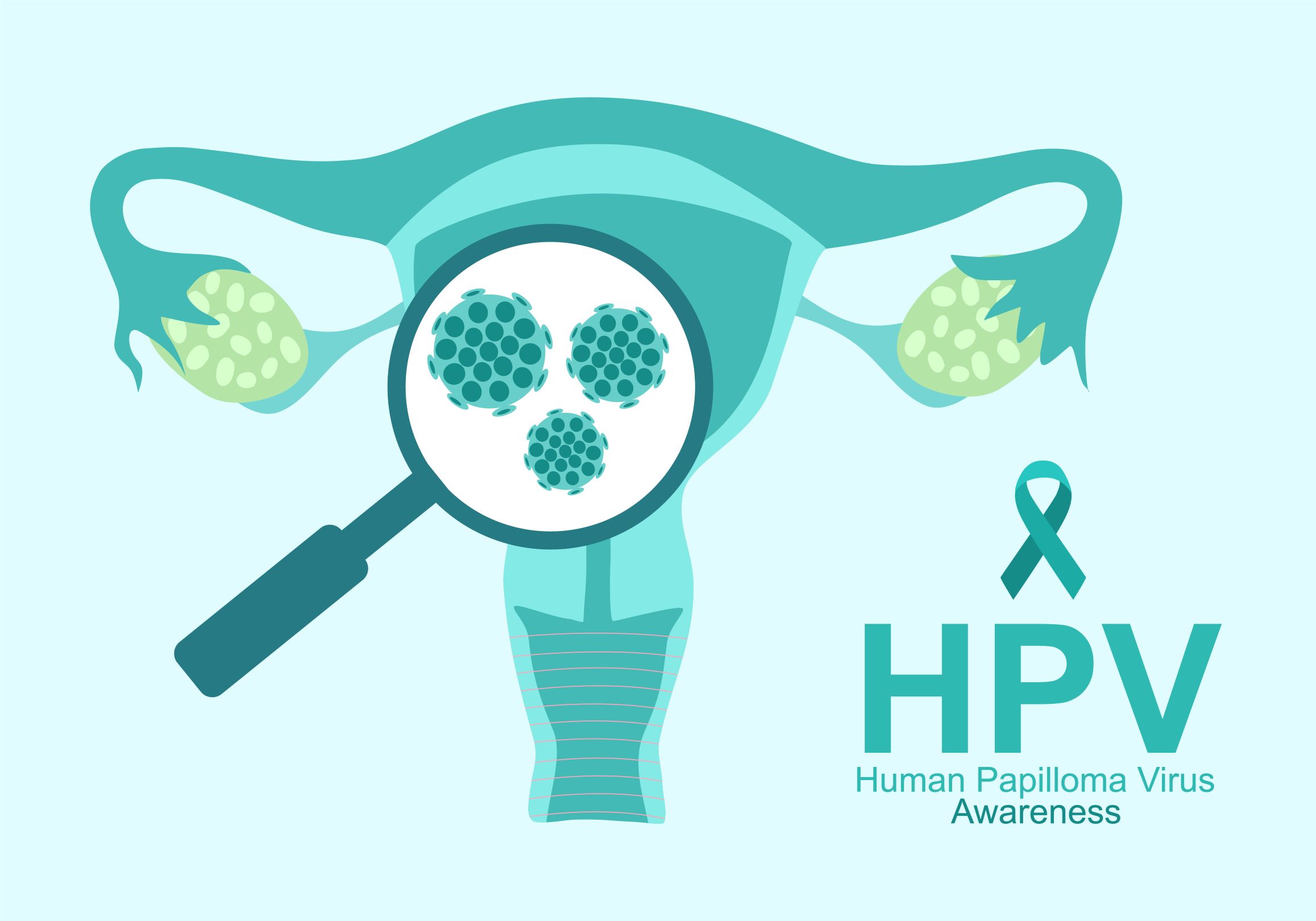
- Ask your healthcare provider about the HPV vaccine.
- Schedule the first dose at age 11-12 (or earlier if recommended. As a young adult, as soon as possible if you have not had the HPV vaccine.)
- Complete the full vaccine series on time.
Cancer prevention doesn’t always require significant lifestyle changes. Sometimes, it starts with a simple shot that can protect for years to come.
Resources:
American Academy of Family Physicians. (n.d.). Human papillomavirus vaccine (HPV). https://www.aafp.org/family-physician/patient-care/prevention-wellness/immunizations-vaccines/disease-pop-immunization/human-papillomavirus-vaccine-hpv.html
American Academy of Pediatrics. (n.d.). Human papillomavirus vaccines. https://www.aap.org/en/patient-care/immunizations/human-papillomavirus-vaccines/
Immunize.org. (2024). HPV (human papillomavirus) vaccine: What you need to know. https://www.immunize.org/wp-content/uploads/catg.d/p4207.pdf
Immunize.org. (2024). HPV vaccine: Questions and answers. https://www.immunize.org/wp-content/uploads/catg.d/p4251.pdf
Immunize.org. (2024). HPV vaccine: Information for teens and young adults. https://www.immunize.org/wp-content/uploads/catg.d/p4250.pdf
Kaiser Family Foundation. (2024). The HPV vaccine: Access and use in the U.S. https://www.kff.org/womens-health-policy/the-hpv-vaccine-access-and-use-in-the-u-s/