Hepatitis B Vaccine Policy Change
Contact
AR-OK Regional Extension Immunization Educator
Phone: (501) 671-2027
Email: hwingo@uada.edu
University of Arkansas Division of Agriculture
Cooperative Extension Service
2301 S. University Ave.
Little Rock, AR 72204

Hepatitis B Vaccine Policy Change: What Parents Need to Know About the New ACIP Recommendation
Heather Wingo
December 12, 2025
For more than 30 years, most newborns in the U.S. got their first hepatitis B (Hep B) shot within 24 hours of birth. Last week, the Advisory Committee on Immunization Practices (ACIP) voted to remove the Hep B recommendation. Here is what parents need to know:
What is Hepatitis B
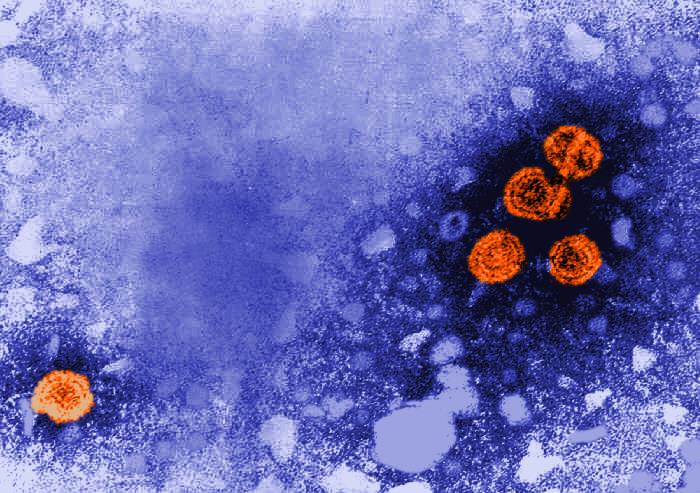
Hepatitis B virus is a highly contagious virus that causes damage to the liver. This virus spreads through blood and bodily fluids (even in tiny, microscopic amounts) and can survive on surfaces for up to a week. That means everyday items can sometimes spread the virus if they have traces of blood or bodily fluids from someone who is infected. Many people don’t know they have Hep B because it can be silent for years.
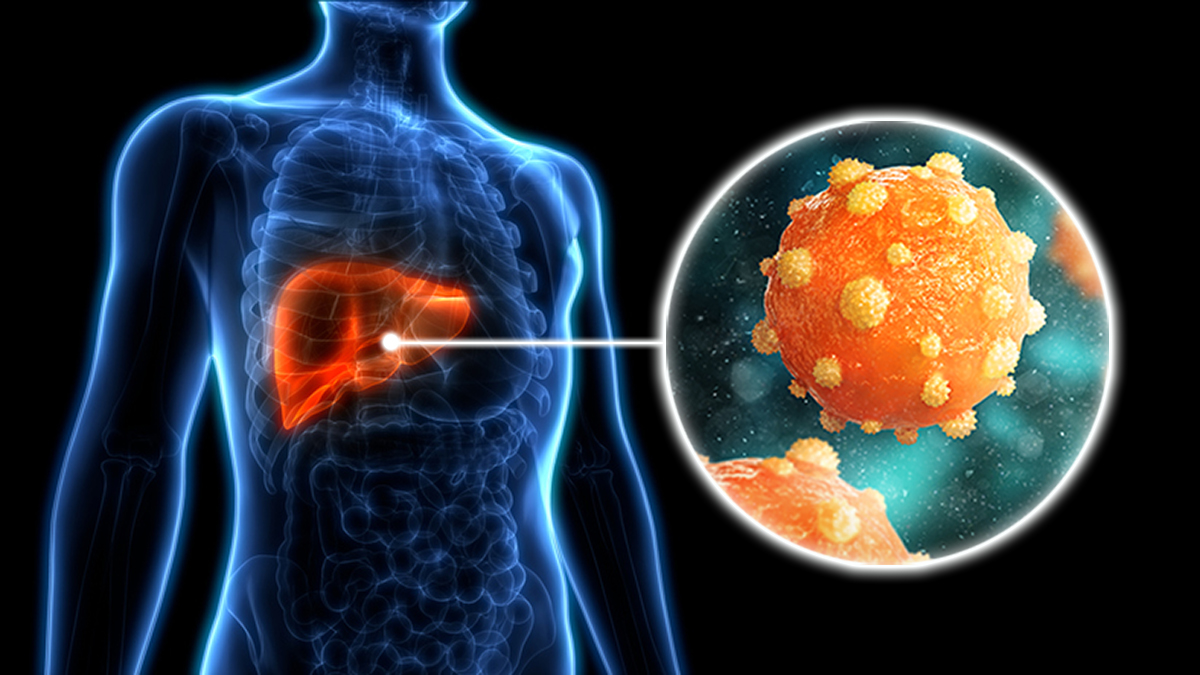
Why do infants need special protection? Babies who catch Hep B at or soon after birth are much more likely to develop lifelong
infection than older kids or adults. Doctors estimate that up to 90% of infants infected
around birth will develop chronic hepatitis B, which can lead to liver cancer later
in life.
Details of the ACIP Change
On December 5, 2025, the ACIP voted to end the recommendation that all newborns receive a Hep B vaccine dose within 24 hours of birth. The new recommendation is:
- Infants born to mothers who test negative for Hep B are now placed in an individual-based decision-making framework with their healthcare provider. If families choose to vaccinate, ACIP suggests the first dose be given no earlier than 2 months of age.
- There is no change for infants born to mothers who test positive or whose status is unknown. Those babies should still receive the birth dose.
Why the Birth Dose Matters
The birth dose begins protecting the baby right away—before any possible exposure at home or from caregivers who may not know they’re infected.
After the U.S. adopted the birth‑dose approach, childhood hepatitis B infections fell sharply, and perinatal transmission was nearly eliminated when the full series was completed.
Even with a mother who tests negative, babies can still be exposed later through close contact with infected household members or caregivers.
What Does the Evidence Say About Hep B Vaccination?
Since the early 1990s, universal birth-dose vaccination has been credited with dramatic reductions in childhood Hep B infections in the U.S., and with near-elimination of perinatal transmission when the series is completed on schedule.
Major reviews and surveillance systems have repeatedly found Hep B vaccines to be highly safe, with severe reactions rare and no evidence that birth-dose vaccination increases risks of the conditions often cited in public debates.
Approximately 90% of infants infected around birth or in the first year later develop chronic infection, versus 5–10% of older children and adults—a key reason timing matters.
What Parents Can Do - A Simple Checklist
If your Hep B status is positive or unknown, your baby should still get the birth dose. If you are negative, talk through timing and risks with your pediatrician.
If you prefer fewer shots and on‑time protection, confirm what skipping Hep B would mean for access to other vaccines at your clinic.
Current reporting indicates health plans continue covering ACIP‑recommended vaccines and that families can discuss post‑dose antibody testing with their clinicians. Check details with your insurer and provider.
If you want the birth dose, talk to your care team. Many pediatricians and hospitals still offer it and consider it good practice.
Frequently Asked Questions
No. Birth is one major risk point, but household and caregiver exposure can happen later—especially because many people don’t know they have Hep B.
Infants are most vulnerable in the first weeks and months. Delaying removes a proven safety net and may complicate the use of combination vaccines that protect against several serious diseases.
Yes. Large reviews and ongoing monitoring have found the Hep B vaccine to be very safe in infants; severe reactions are rare.
Bottom Line
The science that infants face the highest risk of lifelong Hep B infection—and that the vaccine is safe and effective—hasn’t changed. What changed is the policy language for babies of mothers who test negative. If you want the birth dose, you can still talk to your hospital or pediatrician and receive it. If you’re unsure, ask your care team to walk you through risks, timing, and how your choice may affect access to combination vaccines that protect against Hep B, polio, pertussis, diphtheria, Hib, and tetanus.

This article is rooted in the concept of 'Trust in Translation,' which we explored in detail in this blog post.
Resources
Immunize.org. (2025, January 24). Hepatitis B: Questions and Answers. https://www.immunize.org/wp-content/uploads/catg.d/p4205.pdf
Rosen, A. (2025, September 24). Hepatitis B Vaccination is an Essential Safety Net for Newborns. Johns Hopkins Bloomberg School of Public Health. https://publichealth.jhu.edu/2025/why-hepatitis-b-vaccination-begins-at-birth
Vaccinate Your Family. (2025, October 7). Delaying the Hepatitis B Vaccine Would Disrupt the Entire Childhood Immunization Schedule. https://vaccinateyourfamily.org/hepatitis-b-delay/