Sheep & Goat Genetic Improvement Field Day
Contact
Dr. Dan Quadros
Asst. Professor - Small Ruminants
Phone: 501-425-4657
Fax: 501-671-2185
Email: dquadros@uada.edu
University of Arkansas Division of Agriculture
Cooperative Extension Service
2301 S. University Ave.
Little Rock, AR 72204
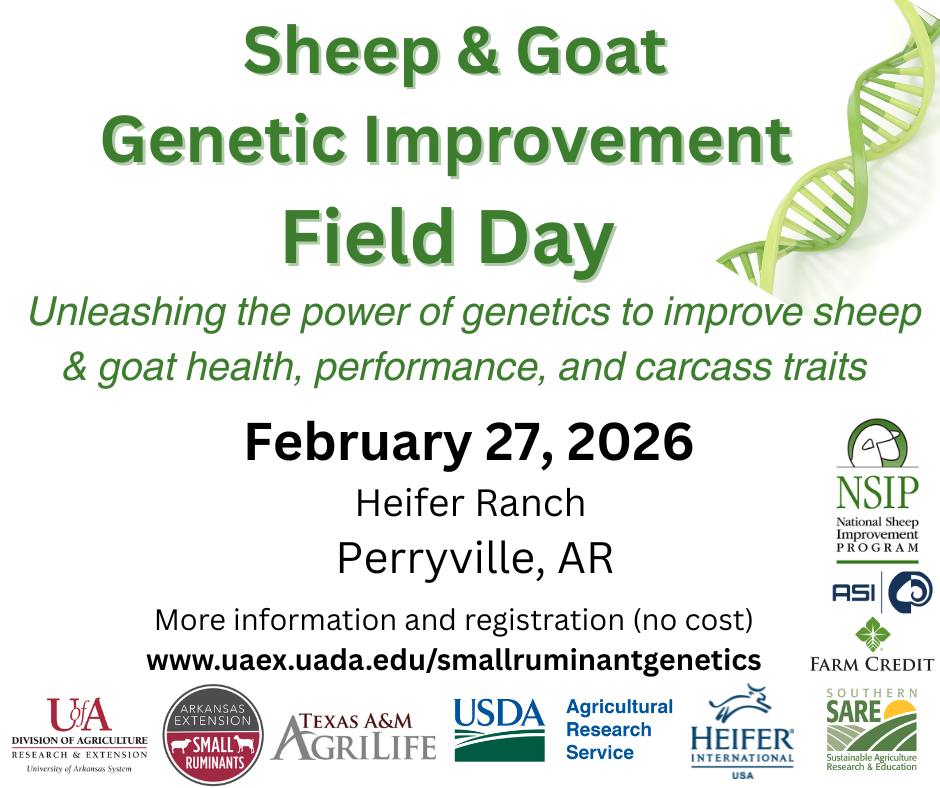
Sheep & Goat Genetic Improvement Field day
Goals:
- Educate sheep farmers on emerging genetic technologies to improve animal health and performance.
- Educate sheep farmers on how to match genetic potential of sheep and sustainable flock management strategies, such as multispecies grazing, targeted nutrition, selective deworming, rotational grazing and flock performance data management to optimize the entire farming system.
- Demonstrate these genetic technologies and production practices that have been successfully applied by farmers in 5 different environmental regions within the SARE southern section.
- Provide networking opportunities for sheep farmers and ranchers with each other and educators.
Tentative Agenda
9:00 am: On-site registration, coffee and donuts
9:30 am: Welcome
9:45 am: Economic benefits of using rams/bucks with EBVs, Dr. Murphy, USDA/ARS
Dr. Tom Murphy, USDA/ARS
10:30 am: Breakdown sessions I: Collecting and recording data
- Parasites: FAMACHA system, Dr Joan Burke, Sheep Management Solutions, LLC
- Parasites: Collecting and submitting fecal samples, fecal egg counting methodology, body condition scoring, Dr. Dan Quadros, UADA
12:00 pm: Lunch
12:30 pm: Implementing an on-farm genetic improvement program, Dr. James Morgan, Sheep Management Solutions, LLC
1:00 pm: Breakdown sessions II: Collecting and recording data
- Growth performance: types of ID and RFID, number of lambs born/weaned, birth weight, weaning weight, postweaning weight and collecting tissue, Heifer Ranch, Texas A&M University, UofA
- Buying rams with good genetics: visual assessment vs. EBVs, Dr. Joan Burke, Sheep Management Solutions, LLC
- Using ultrasound for pregnancy check and carcass evaluation, Dr. Jake Thorne, Texas A&M AgriLife
2:30 pm: The future development of the NSIP, Dr. Murphy, USDA/ARS and Dr. Jake Thorne, Texas A&M AgriLife
3:00 pm: Producer Panel: Using Estimated Breeding Values (EBVs) to improve economically important traits.
- Christine Hernandez, Heifer Ranch, Perryville, AR
- Lynn Fahrmeier, Fahrmeier Katahdins, Wellington MO
-
Zac Vann, Rafter V Ozark Farms, Fayetteville, AR
3:30 pm: Adjourn
Optional, 3:30 p.m - 4:30 pm: One-on-one with experts: Learn more about the National Sheep Improvement Program (NSIP)
- Dr. Tom Murphy, USDA/ARS
- Dr. Joan Burke, Sheep Management Solutions, LLC
- Dr. James Morgan, Sheep Management Solutions, LLC
- Dr. Jake Thorne, Texas A&M AgriLife
Speakers
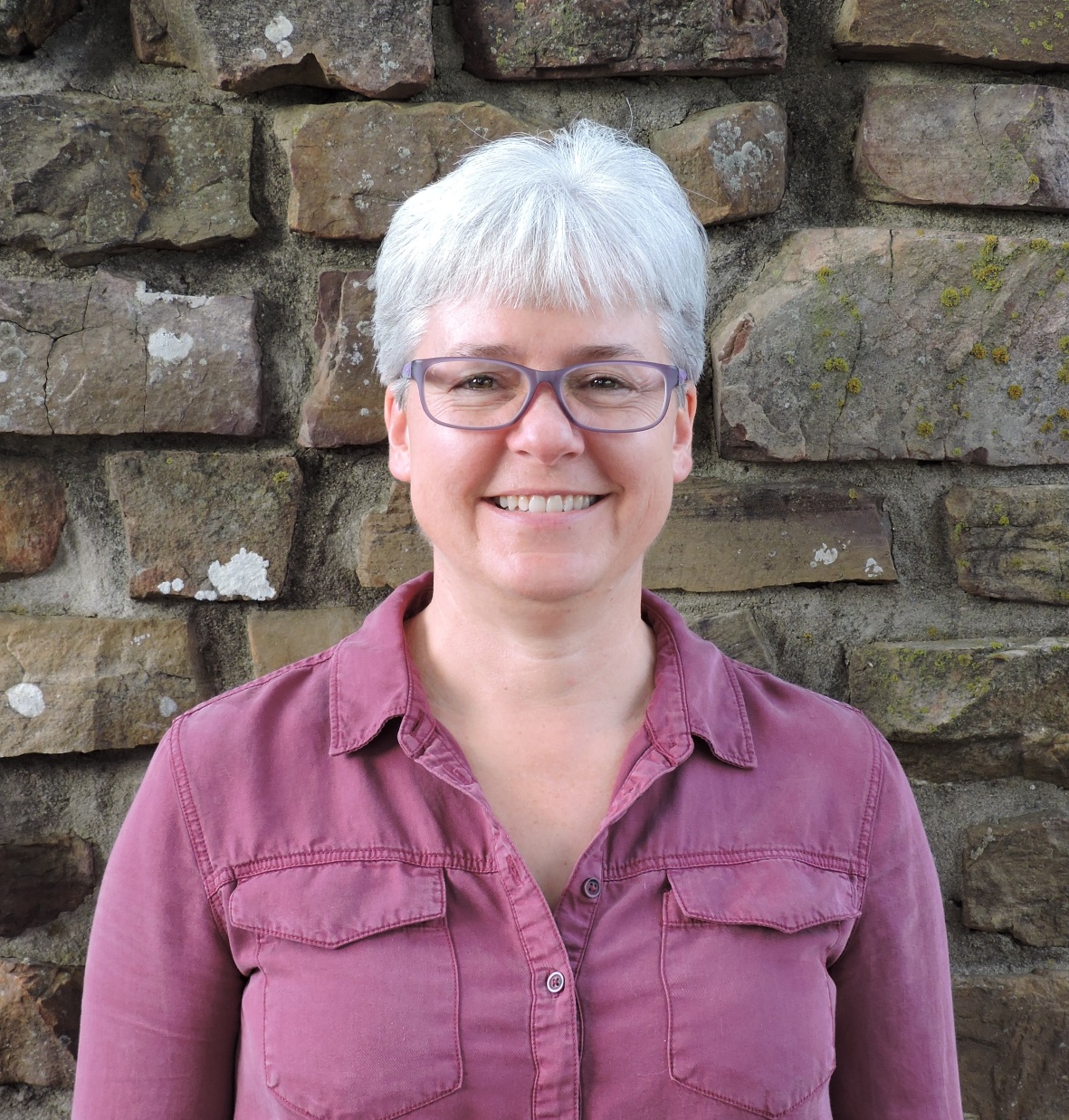 Dr. Joan Burke is a consultant at Sheep Management Solutions, LLC. She worked as a Research Animal Scientist at USDA-ARS from 1999 to 2025. Her program focused on addressing problems faced by small- and mid-size farmers, including
organic and grass-fed production systems for ruminant livestock, alternatives to synthetic
anthelmintics, such as specialty forages, genetic and genomic selection for parasite-resistant
animals that are also great producers, nutrition, and products such as copper oxide
wire particles. She is one of the founding members of the American Consortium for
Small Ruminant Parasite Control.
Dr. Joan Burke is a consultant at Sheep Management Solutions, LLC. She worked as a Research Animal Scientist at USDA-ARS from 1999 to 2025. Her program focused on addressing problems faced by small- and mid-size farmers, including
organic and grass-fed production systems for ruminant livestock, alternatives to synthetic
anthelmintics, such as specialty forages, genetic and genomic selection for parasite-resistant
animals that are also great producers, nutrition, and products such as copper oxide
wire particles. She is one of the founding members of the American Consortium for
Small Ruminant Parasite Control.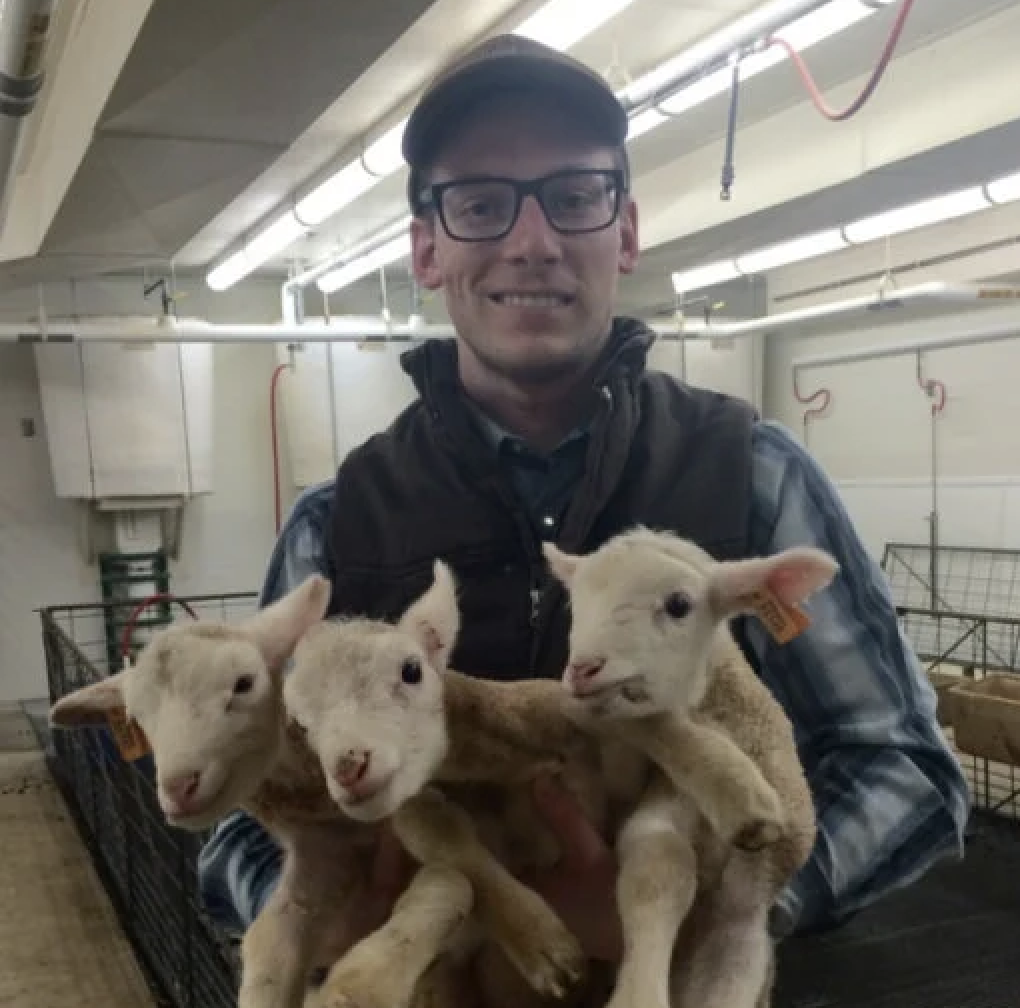 Dr. Tom Murphy is a Research Geneticist at USDA/ARS in Clay Center, Nebraska. His
research program investigates breed and other genetic effects that influence the performance,
health, and meat and wool quality of sheep in intensive and extensive production systems.
Dr. Tom Murphy is a Research Geneticist at USDA/ARS in Clay Center, Nebraska. His
research program investigates breed and other genetic effects that influence the performance,
health, and meat and wool quality of sheep in intensive and extensive production systems.
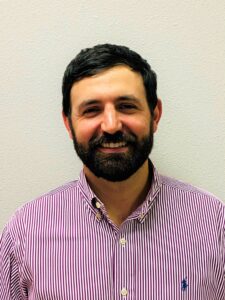 Dr. Jake Thorne, Texas A&M AgriLife Research, San Angelo, is the Small Ruminant Specialist.
He develops and delivers quality small ruminant educational information to farmers
and ranchers in Texas, and tools and technologies to advance quantitative and molecular
genetics in the sheep and goat industry.
Dr. Jake Thorne, Texas A&M AgriLife Research, San Angelo, is the Small Ruminant Specialist.
He develops and delivers quality small ruminant educational information to farmers
and ranchers in Texas, and tools and technologies to advance quantitative and molecular
genetics in the sheep and goat industry.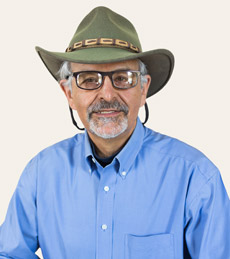 Dr. James Morgan, Sheep Management Solutions, LLC, is a sheep producer and seasoned
consultant with extensive work in parasite resistance, sheep genetics, and efficient
management. He has helped bridge the information gap between researchers and producers.
Dr. James Morgan, Sheep Management Solutions, LLC, is a sheep producer and seasoned
consultant with extensive work in parasite resistance, sheep genetics, and efficient
management. He has helped bridge the information gap between researchers and producers.
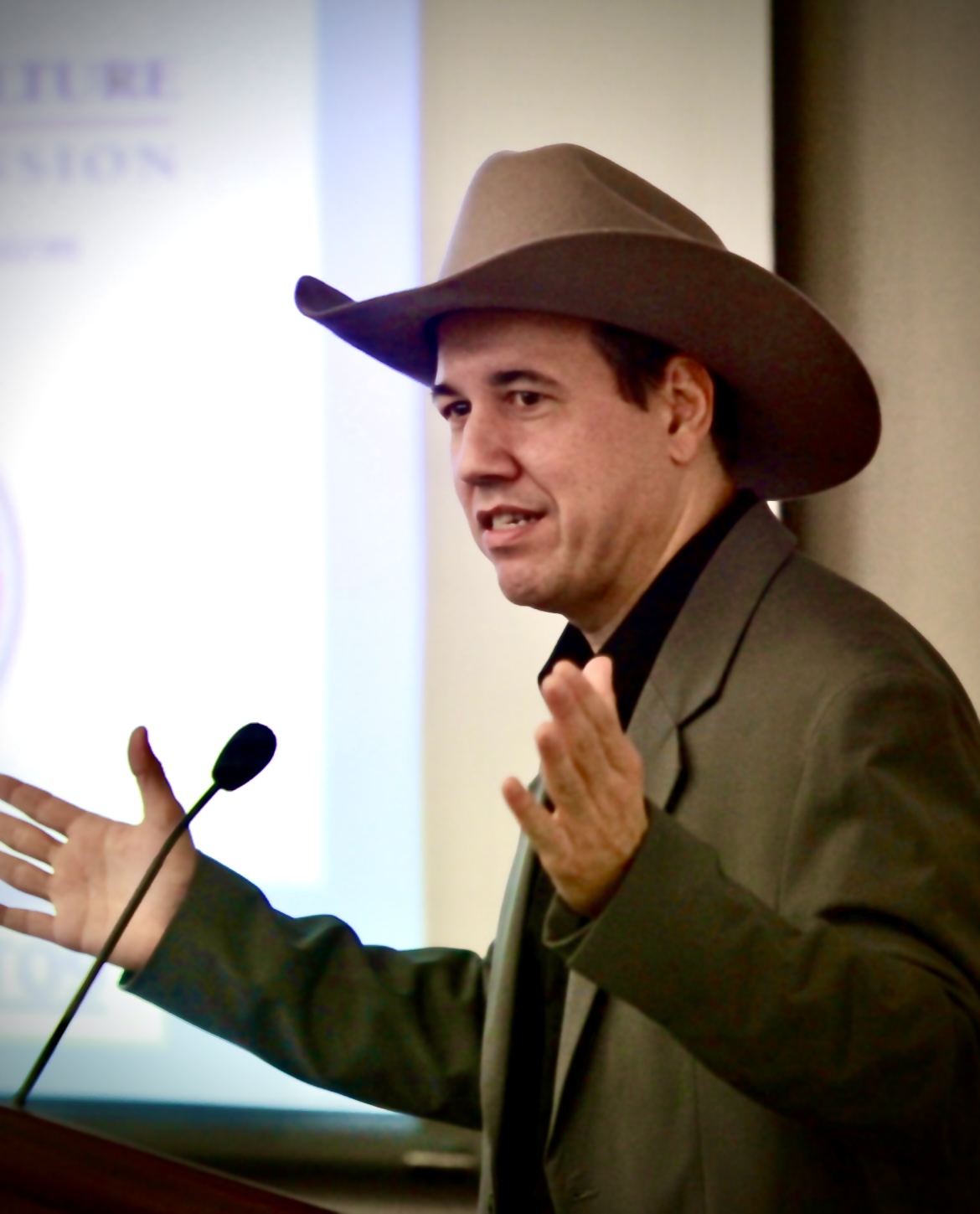 Dr. Dan Quadros is the small ruminant specialist at the University of Arkansas Division
of Agriculture. He is known for translating complex research into real-world applications.
His work focuses on developing and disseminating technologies to enhance the efficiency
and profitability of small ruminant production systems, including genetic improvement,
nutrition, reproduction, and health management, as well as product quality and market
expansion.
Dr. Dan Quadros is the small ruminant specialist at the University of Arkansas Division
of Agriculture. He is known for translating complex research into real-world applications.
His work focuses on developing and disseminating technologies to enhance the efficiency
and profitability of small ruminant production systems, including genetic improvement,
nutrition, reproduction, and health management, as well as product quality and market
expansion.
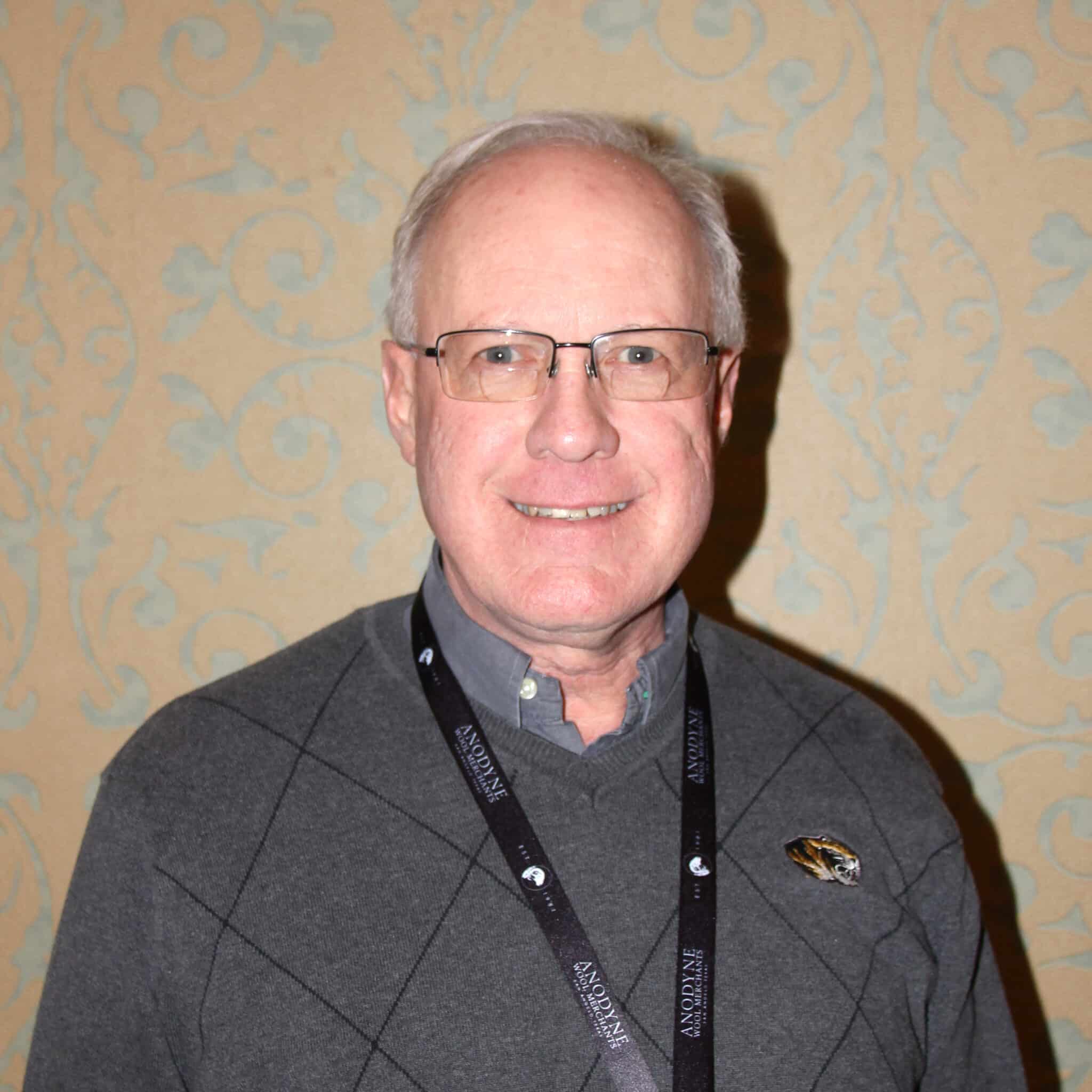 Lynn Fahrmeier (Fahrmeier Grain and Livestock) is a board member of Katahdin Hair Sheep International, chairman of the National Sheep Improvement Program, and member of the American Sheep Industry Association Executive Board of Directors - Region 4, among other leadership roles.
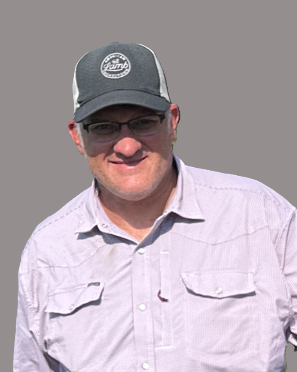 Zac Vann (Rafter V Ozark Farms) is a veteran farmer who employs regenerative and sustainable livestock production
practices to increase the quantity and quality of his flock. He has been using rams
with Estimated Breeding Values (EBVs) to enhance the health and performance of his
hair sheep flock.
Zac Vann (Rafter V Ozark Farms) is a veteran farmer who employs regenerative and sustainable livestock production
practices to increase the quantity and quality of his flock. He has been using rams
with Estimated Breeding Values (EBVs) to enhance the health and performance of his
hair sheep flock.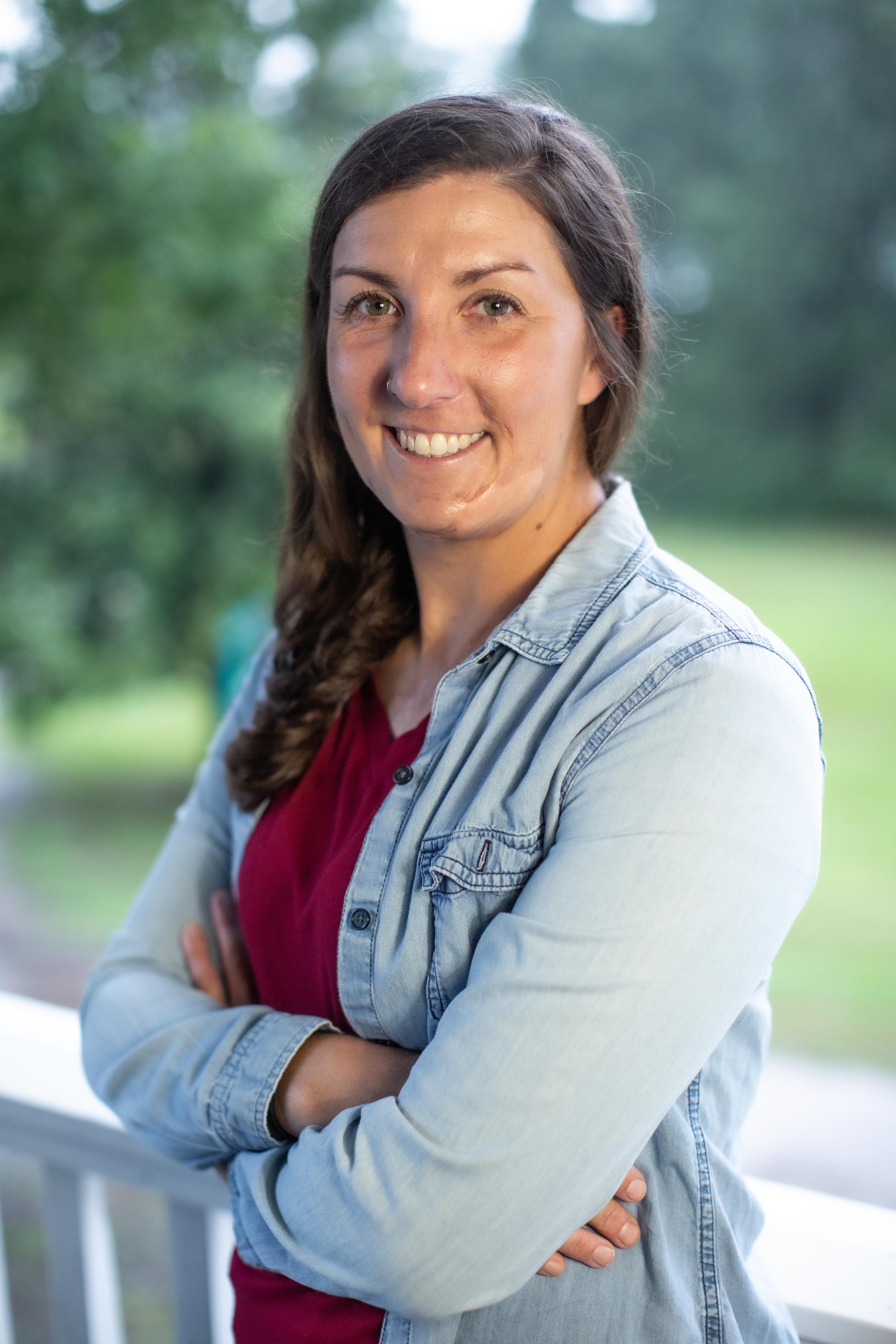 Christine Hernandez (Heifer USA/Heifer International) is the livestock manager of the Heifer Ranch Center for Regenerative Agriculture,
assisting small-scale farmers in adopting science-based, eco-friendly, regenerative
farming practices that renew the soil and increase biodiversity. On the ranch, they
raise hair sheep and have been investing in rams with Estimated Breeding Values (EBVs)
to improve the flock's parasite resistance and performance.
Christine Hernandez (Heifer USA/Heifer International) is the livestock manager of the Heifer Ranch Center for Regenerative Agriculture,
assisting small-scale farmers in adopting science-based, eco-friendly, regenerative
farming practices that renew the soil and increase biodiversity. On the ranch, they
raise hair sheep and have been investing in rams with Estimated Breeding Values (EBVs)
to improve the flock's parasite resistance and performance.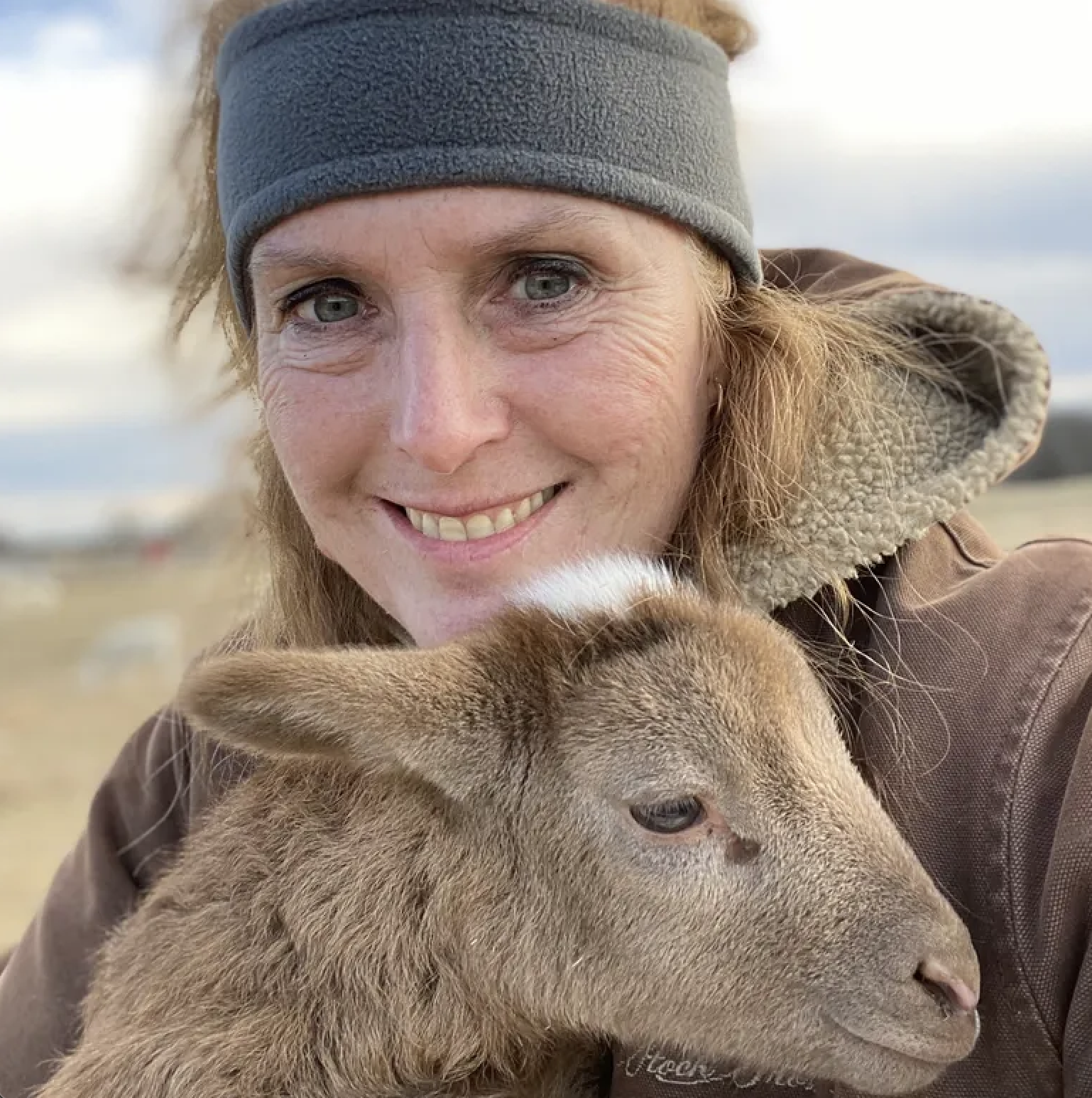 Marti Carlson is co-owner of NP Ranch in Sager, TX, where she raises registered Katahdin hair sheep enrolled in the NSIP.
Based on recorded data, NSIP calculates the Estimated Breeding Values (EBVs) for important
traits, including productivity, quality and flock health. Additionally, she is the
Vice President of Texas Katahdin Hair Sheep Association.
Marti Carlson is co-owner of NP Ranch in Sager, TX, where she raises registered Katahdin hair sheep enrolled in the NSIP.
Based on recorded data, NSIP calculates the Estimated Breeding Values (EBVs) for important
traits, including productivity, quality and flock health. Additionally, she is the
Vice President of Texas Katahdin Hair Sheep Association.