Garden Planning: A Guide For New Gardeners
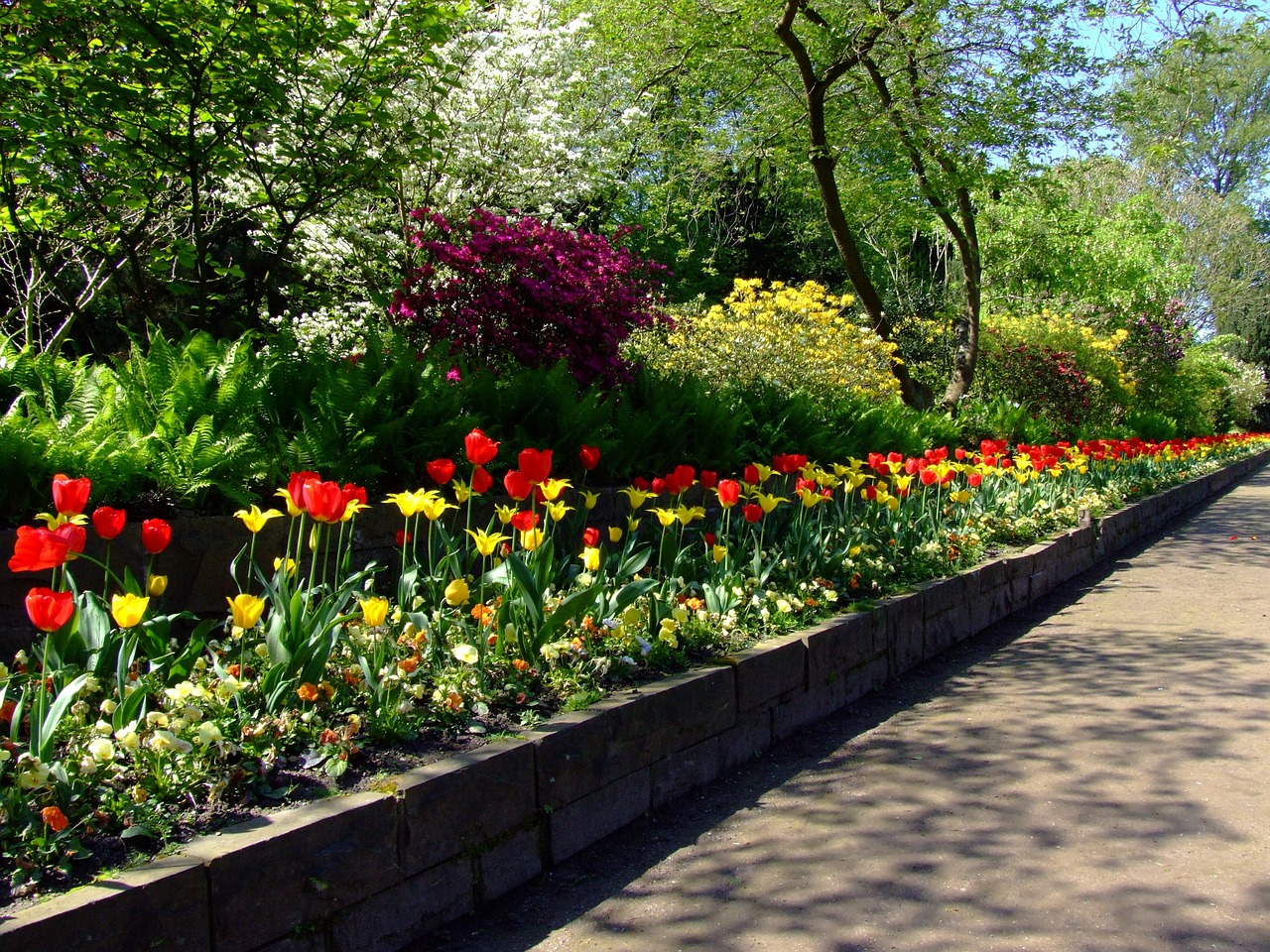
TULIPS — Tulips add color to home gardens.
Starting a garden is an exciting endeavor, but success often depends on good planning. While weather can affect your garden's growth, taking the time to carefully plan can make a huge difference between success and failure. The garden that seemed like a great idea in early spring might feel overwhelming by mid-summer when maintenance demands increase. For new gardeners, starting small and building on early successes is a wise approach.
Understanding What to Plant and Where
Whether you’re planting vegetables, flowers, fruit bushes, or shrubs, understanding the specific needs of your plants will help you determine where and what to plant.
Sunlight Requirements
Most fruits and vegetables need at least 6–8 hours of sunlight daily, with some preferring more. It’s essential to monitor sunlight in your garden throughout the day, especially if you have deciduous trees. In the winter, you may have more light, but when the trees are in full leaf, the shade can be significant. Tree roots also compete for water and nutrients, so be mindful of their impact on your plants.
If your garden is in a shaded area, you can still grow a variety of shrubs, perennials, groundcovers, and annuals. However, fruits, vegetables, and turfgrass typically need more sunlight to thrive. For flowers and ornamental plants, there are varieties that thrive in shade, partial shade, or full sun, so be sure to choose plants that match your specific garden conditions.
Soil Drainage and Quality
Drainage Check
Most plants prefer well-drained soil, unless you’re creating a bog or water garden. To test your soil's drainage, dig a hole to the depth where you'll be planting, fill it with water, and see how long it takes to drain. Well-drained soil should allow water to seep down at about an inch per hour. If the water drains too quickly, you may have sandy soil that struggles to retain moisture. If the water doesn’t drain within a day, you have poor drainage. You’ll need to address this issue before planting, which may involve building raised beds, altering the land’s slope, or installing French drains.
Soil Quality
Healthy plants start with healthy soil. Soil amendments are often necessary, especially if your garden has rocky or nutrient-deficient soil. To assess soil quality, consider having it tested. A soil test will help you understand the pH levels and the presence of essential nutrients. Most plants prefer slightly acidic soil (pH 6–6.5), but some plants like azaleas and blueberries need more acidic conditions. A soil test can provide specific recommendations, including whether you need to add lime or sulfur to adjust pH, as well as suggestions for fertilizers.
Choosing Plants for Your Garden
Once you understand your soil and garden conditions, it’s time to select plants.
Vegetable Gardens
Choose vegetables that your family enjoys eating. For cool-season vegetables, plant from February through mid-April and again in late summer to early fall for a winter garden. Warm-season vegetables are planted after the last frost, typically in mid-April, and can be grown throughout the summer.
Flower Gardens and Ornamental Plants
Flower gardening is a great way to add beauty and color to your yard. You can grow annuals or perennials depending on the look you want and the amount of effort you’re willing to put in. Annual flowers, such as marigolds, petunias, and zinnias, bloom all season but need to be replanted every year. Perennials like daylilies, hostas, and coneflowers return year after year, making them ideal for gardeners who want to invest a little less time annually.
If you have a sunny spot, consider planting flowering shrubs like lilacs, hydrangeas, or roses. These can provide both structure and beauty. For shaded areas, hostas, ferns, and astilbes thrive, offering lush foliage and colorful blooms.
Spacing
Pay attention to plant spacing. Overcrowding can lead to competition for nutrients and result in lower yields or poor flowering. Check the seed packet or plant label for recommended spacing and growth habits. Tall-growing plants should be planted on the north side of the garden to prevent shading shorter plants.
Fertilizing
Some plants, like peppers and corn, are heavy feeders and require more nutrients, while others, like peas and beans, need less. Fertilize before planting and apply additional side-dressing throughout the growing season. If you’re using raised beds or containers, you may need to fertilize more often since frequent watering can leach nutrients.
Considerations for Permanent Plants
When planting permanent garden features like shrubs or flowers, consider their mature size. Plant them far enough from buildings to allow for growth in all directions. This prevents overcrowding, ensures healthy growth, and even helps with insulation for your house. Be mindful of the plant’s eventual height—check for power lines or your house’s eaves that could interfere with their growth.
Creating a Flower Bed
When planning a flower bed, think about the height, color, and bloom time of each plant. Mix tall plants at the back, medium-sized plants in the middle, and low-growing plants at the front. This creates a visually appealing layered effect. Also, consider using a combination of foliage and flowers to ensure interest throughout the year, as many perennials offer attractive leaves even when not in bloom.
Watering, Mulching, and Plant Care
Watering
Most plants require additional water during dry spells. Group plants with similar water needs together to make watering more efficient. For instance, pairing a cactus with moisture-loving azaleas isn’t ideal, as one thrives on dry conditions, and the other prefers moist soil.
Mulching
Mulch is essential for retaining moisture, moderating soil temperatures, and keeping weeds at bay. Choose an aesthetically pleasing mulch for ornamental beds—brown or black bark, leaves, or pine needles work well. Avoid bright, attention-grabbing mulches like white rock or red mulch, which can distract from your plants.
Caring for Flowers
Flowering plants often benefit from regular deadheading, or removing spent blooms, to encourage new flowers and prevent disease. For perennials, cut back the spent blooms at the end of the season to keep the garden tidy and promote healthy growth for the following year. Also, be mindful of the specific watering needs for different flowers—while some, like lavender, prefer drier soil, others like impatiens need consistently moist soil to thrive.
Gardening remains the number one hobby in the U.S., and with the right planning, anyone
can grow a thriving garden. By choosing the right plants for your space and climate,
understanding your soil, and providing adequate care, you’ll be well on your way to
gardening success. Start small, stay informed, and enjoy the rewarding experience
of growing your own garden.
By Sherri Sanders
White County Extension Agent - Agriculture
Cooperative Extension Service
U of A System Division of Agriculture
501-268-5394
ssanders@uada.edu
Follow Sherri on Facebook